Veronica: Beyond South America
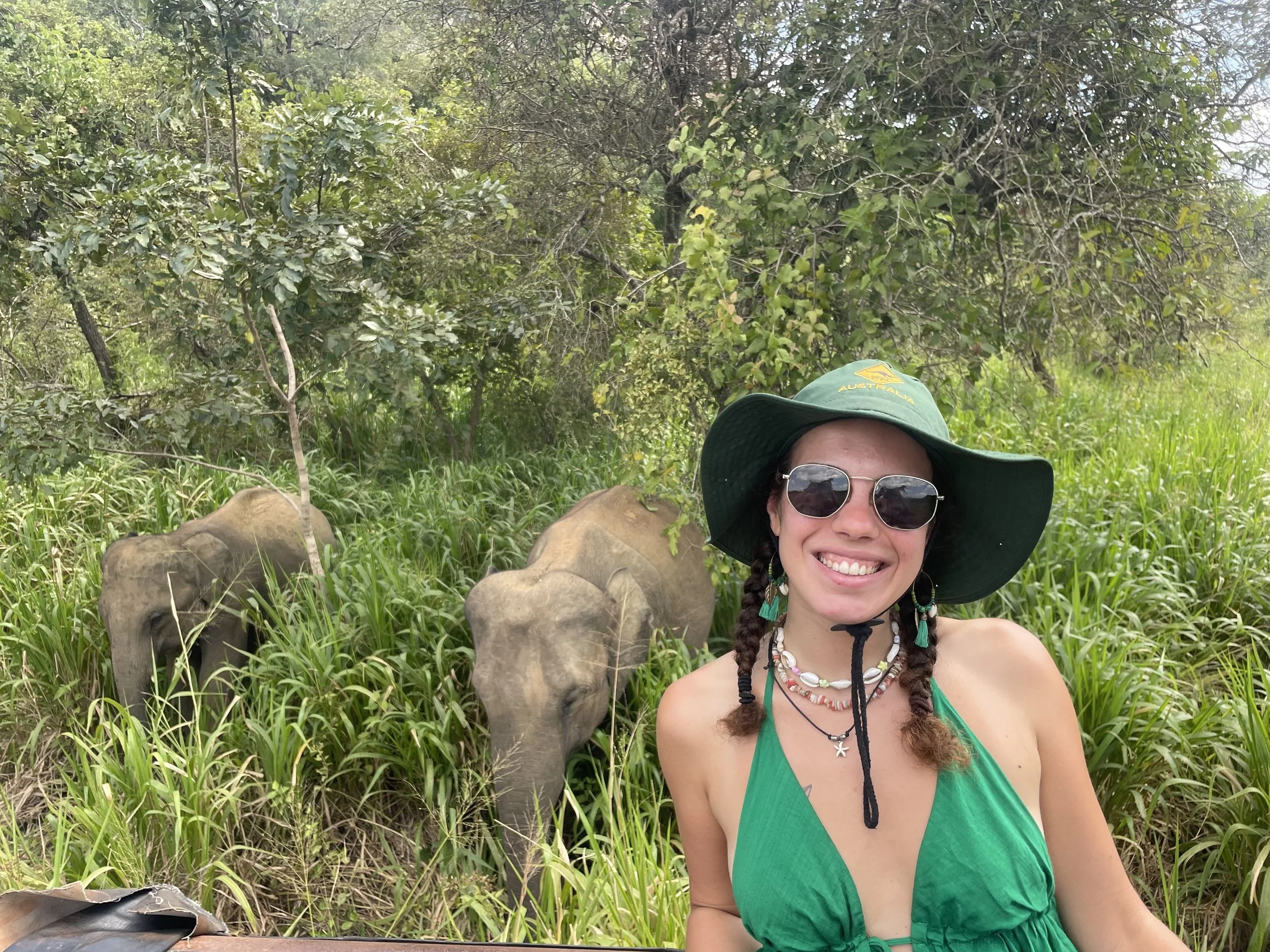
Instagram: @Veronicafontanesi
Hey! I’m Veronica, 28 years old, from a small town in northern Italy.
Almost 4 years ago, I left my “boring” life behind and started traveling the world. So far, I’ve visited 30 countries across different continents — some of them before these last 4 years, and many during this journey.
I’ve explored Europe and Latin America the most, while Africa is the continent I’ve experienced the least so far — just one country for now. I speak fluent Italian, English, and Spanish, plus a little bit of French.
What was your last job?
I worked in marketing until I basically quit everything and started traveling full-time.
During these years on the road, I’ve worked a bit online, volunteered in hostels, and lived off my savings. I spent a year working in Australia (different jobs, from farm work to warehouse roles), and now I’ve just come back to the kangaroo land to work and save again.
How have you managed your mental and physical health whilst travelling the world?
My physical health has never really been a big issue for me — apart from alcohol in Latin America. I eat well and I walk a lot.
My mental health, on the other hand, has sometimes been more challenging. Especially after seven months of traveling non-stop, when I separated from the friend I had been traveling with. The first few weeks on my own felt exciting and freeing, but then it started to hit me. I began to struggle with constantly having to leave the people I met. Nothing ever lasted long enough, and I kept finding myself starting over from scratch again and again.
At some point, I even lost my sense of direction. I started questioning where I was going and what the point of it all was. Eventually, I went back home for a while, and after that, I experienced my travels in a very different way — more slowly, and with much more inner peace. And sometimes I still turn back home to recharge my battery.
How do you maintain relationships with the people you meet on your journey?
Only a few of them are people I stay in regular contact with. With some, we just reply to each other’s Instagram stories from time to time, which turns into short conversations about how things are going and which country we’re exploring at the moment.
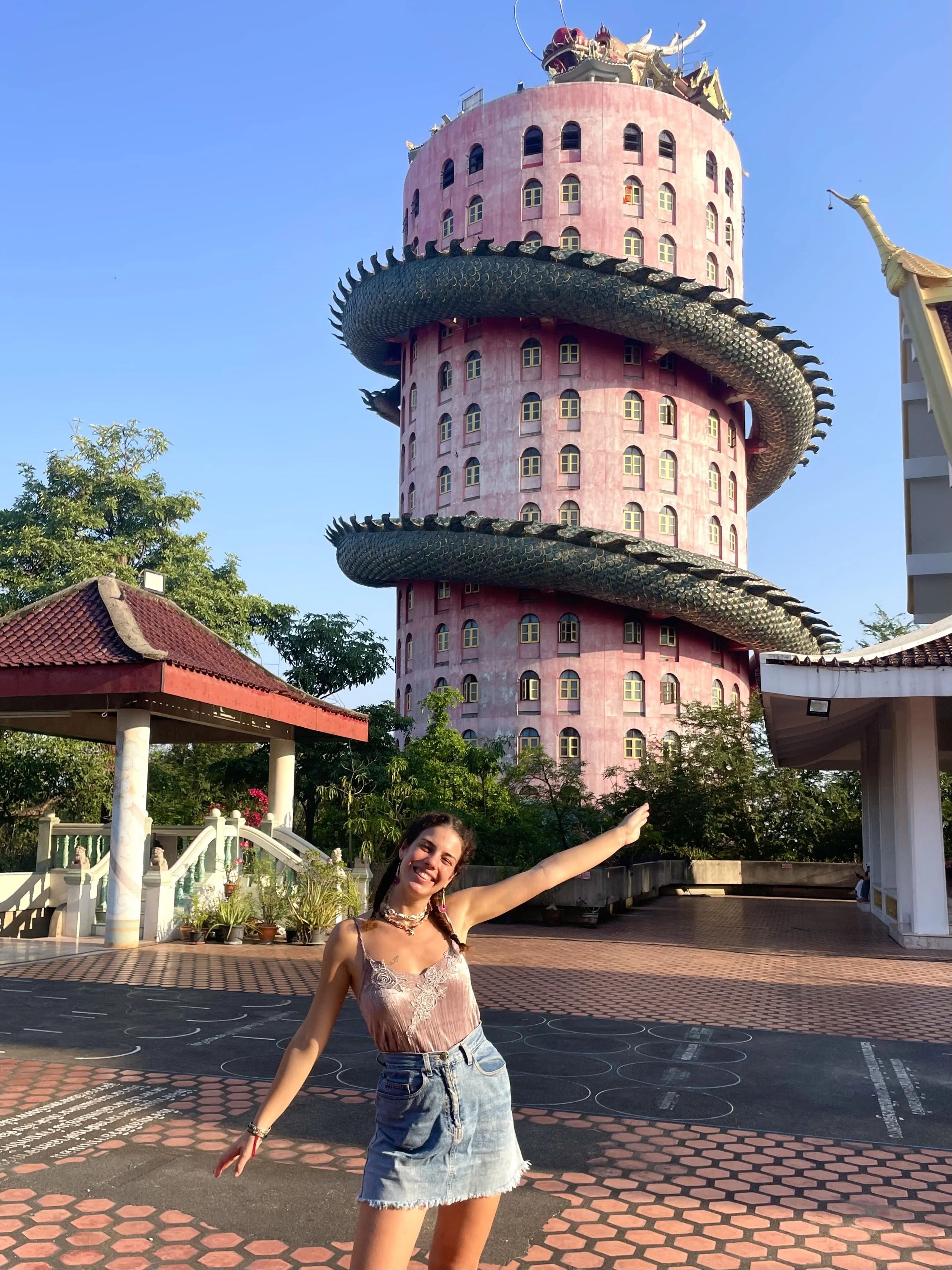
At the same time, I truly believe that if you really want to maintain a relationship, you can always find a way. For example, I met my boyfriend a year ago in Thailand, and recently we moved to Australia together.
What has travelling taught you about yourself and the world?
Travelling has truly taught me that we’re capable of so much more than we think. It showed me that there are more good people in the world than bad ones. It made me believe that somewhere out there, there’s a place that feels made for each of us — and that if we’re unhappy where we are, we should have the courage to go and look for it.
I also think that traveling in this era is incredibly accessible — easier than it has ever been, and probably easier now than it will be in the future. I’m not sure this kind of freedom will last forever.
Most of all, it made me realize how rich and fortunate I truly am: to have been born in Europe, to have a family, and to have a home I can always return to.
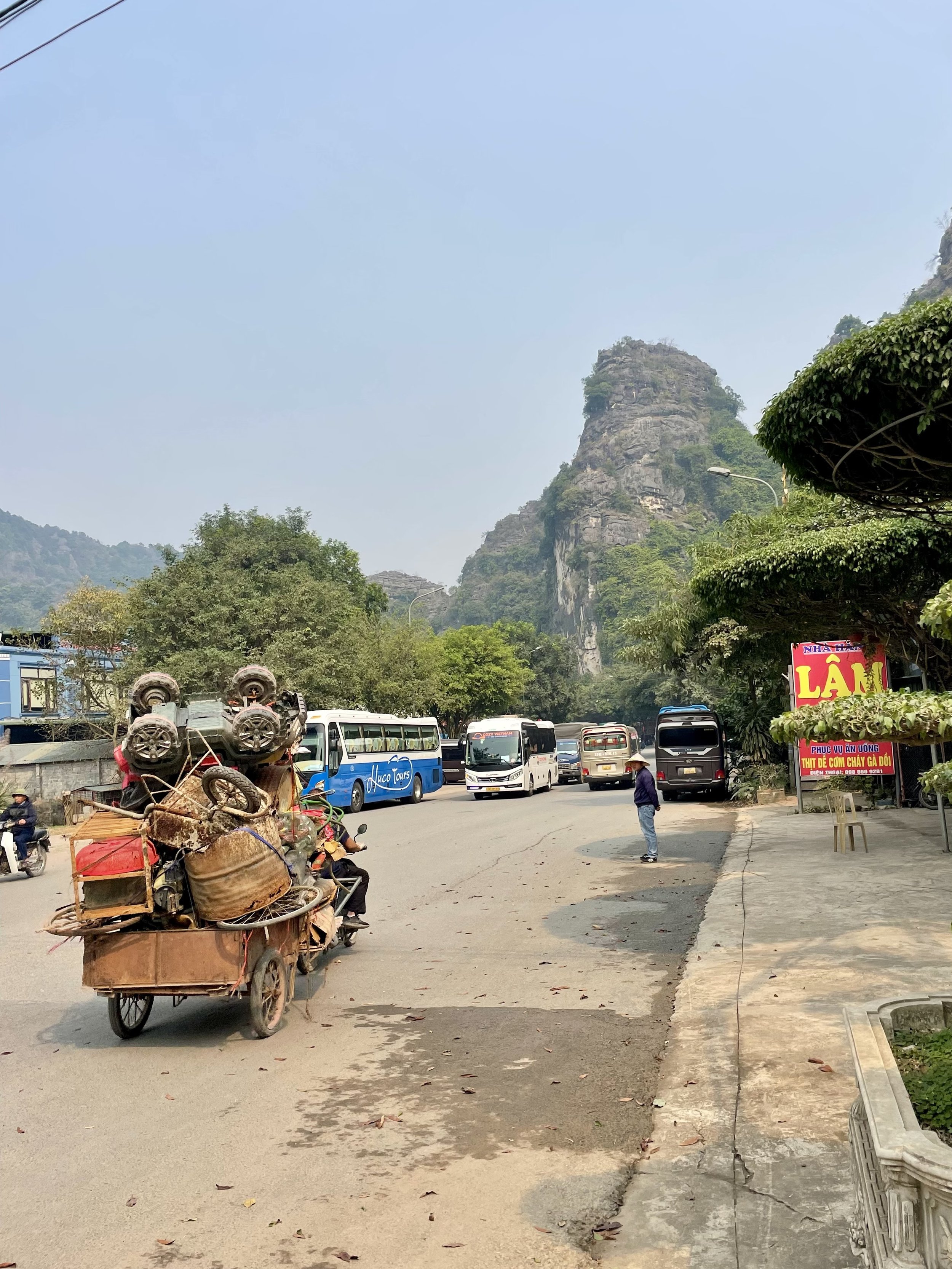
Name somewhere you travelled to which exceeded your expectations.
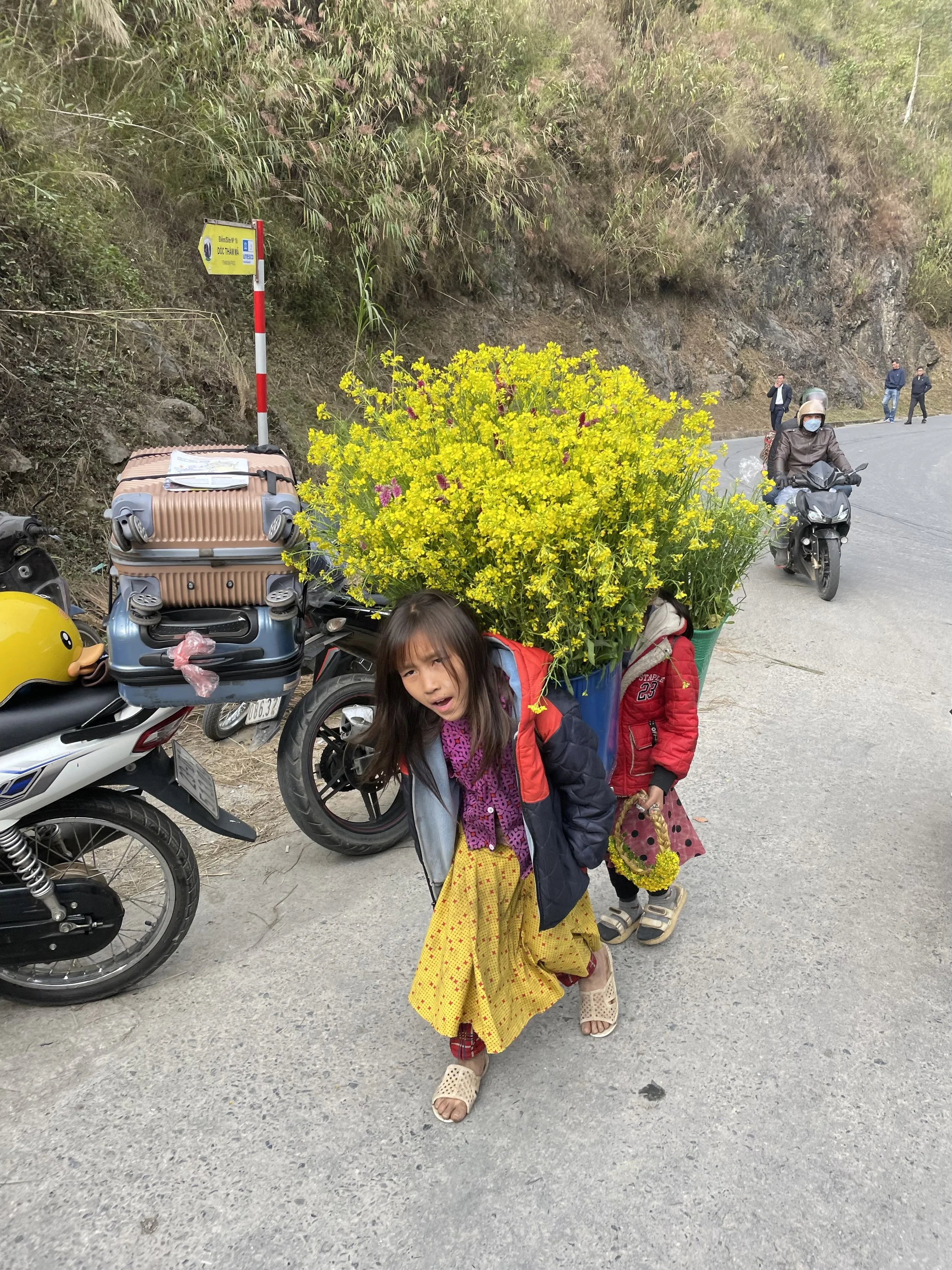
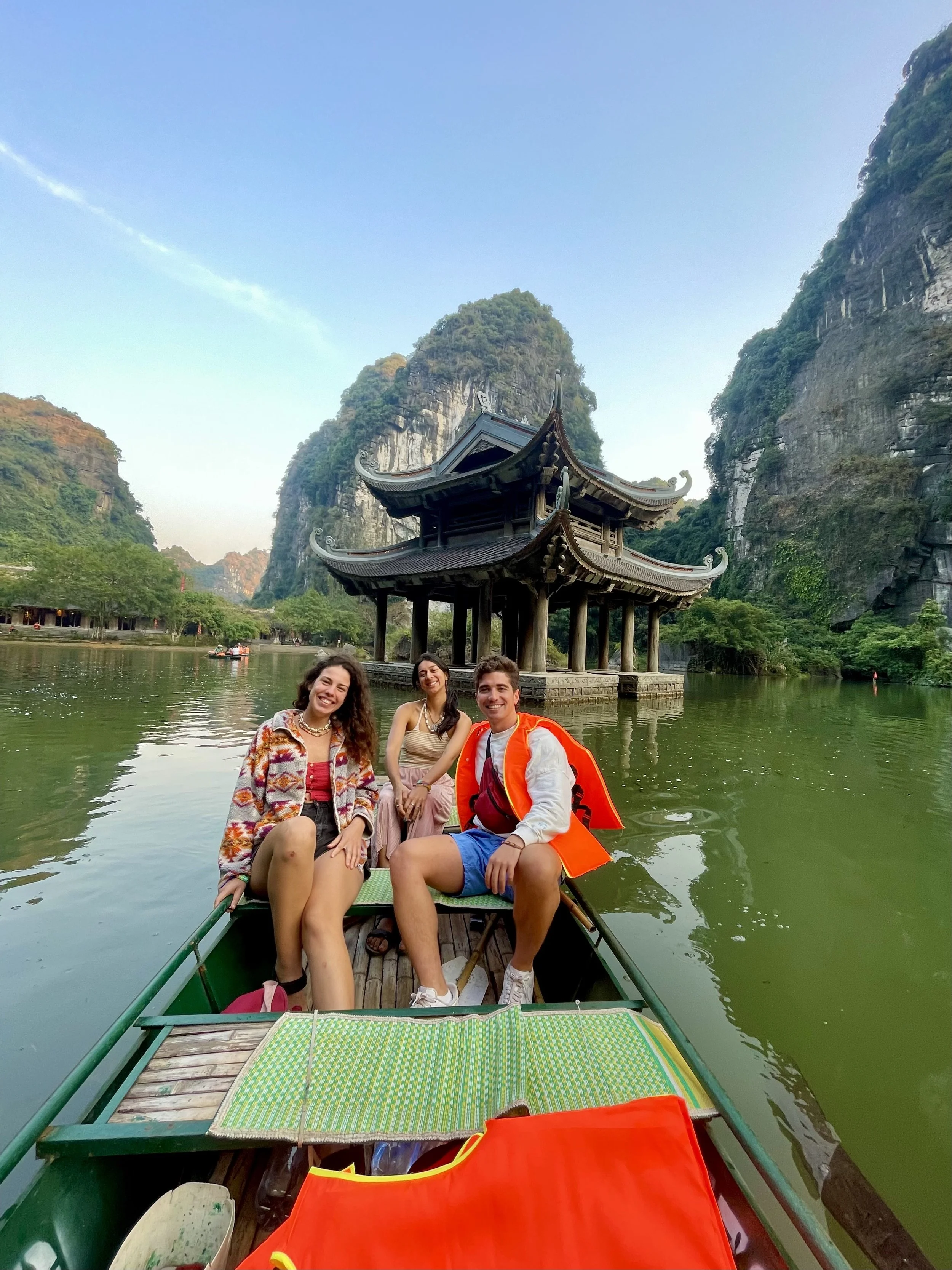
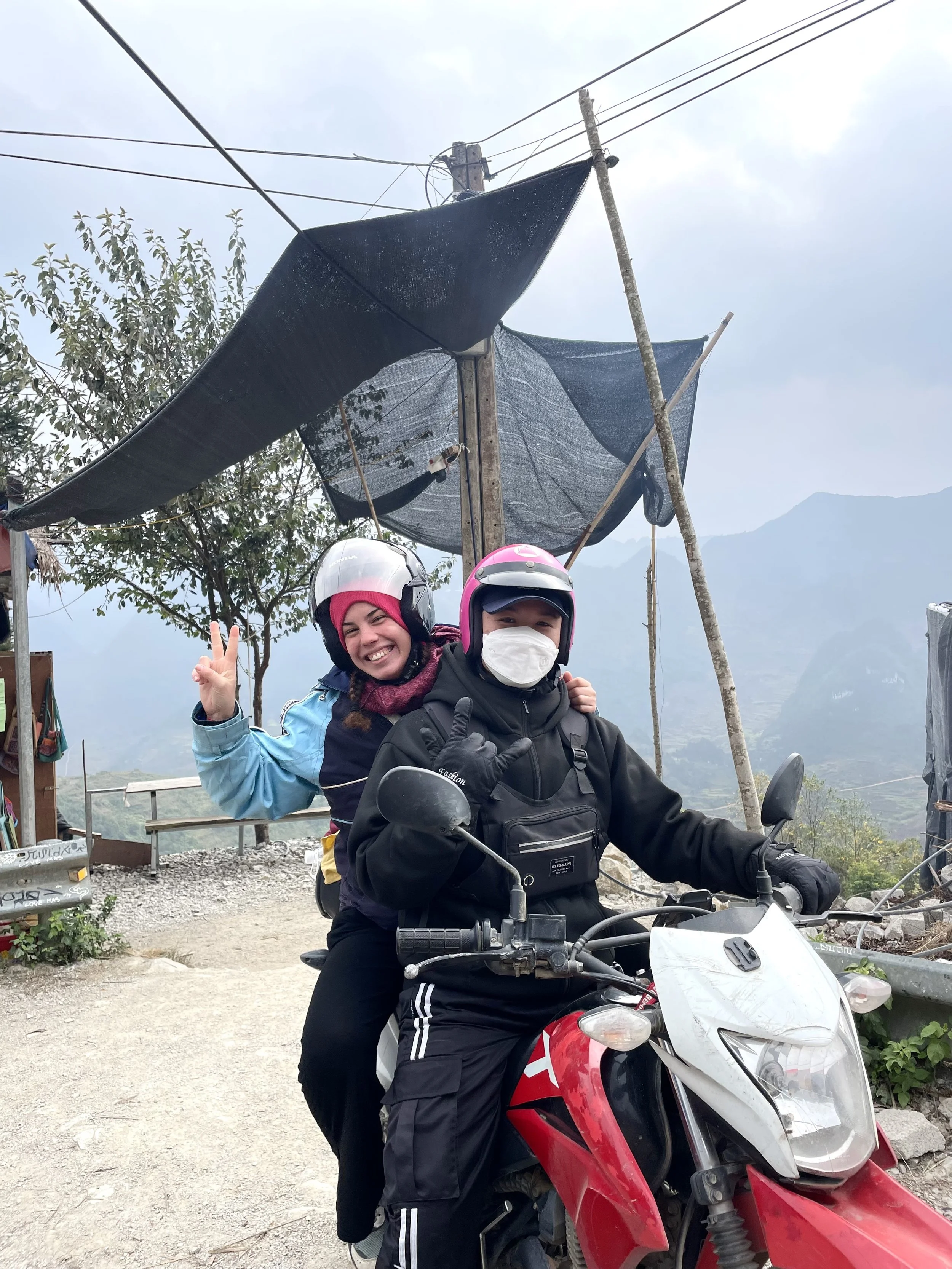
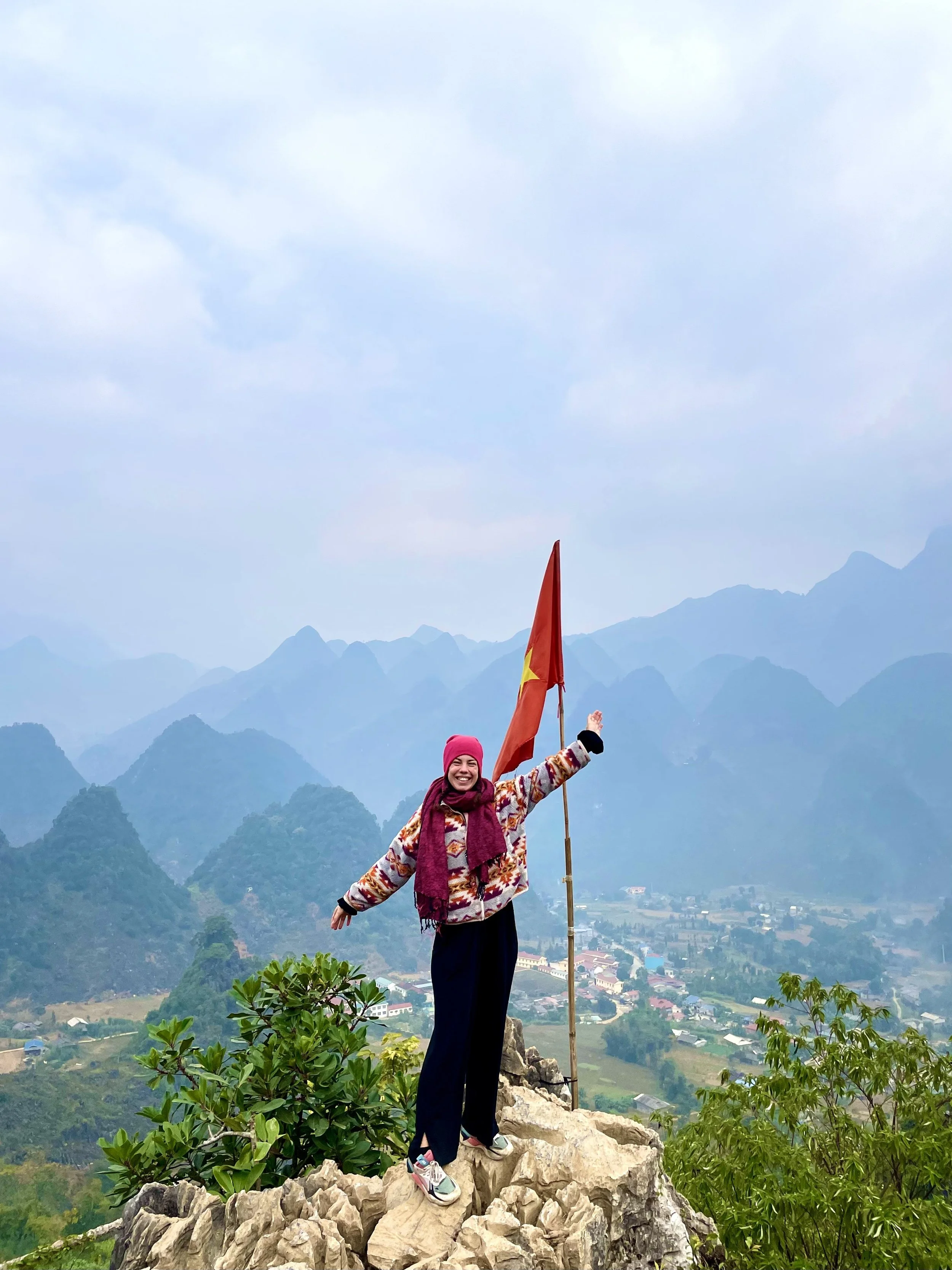
When I was in Vietnam, everyone kept telling me I absolutely had to do the Ha Giang Loop — a four-day motorbike trip (with a driver) through the mountains in the north of the country.
At first, I had a lot of doubts. I wasn’t sure I really wanted to spend four days sitting on the back of a motorbike, especially since it was winter and pretty cold.
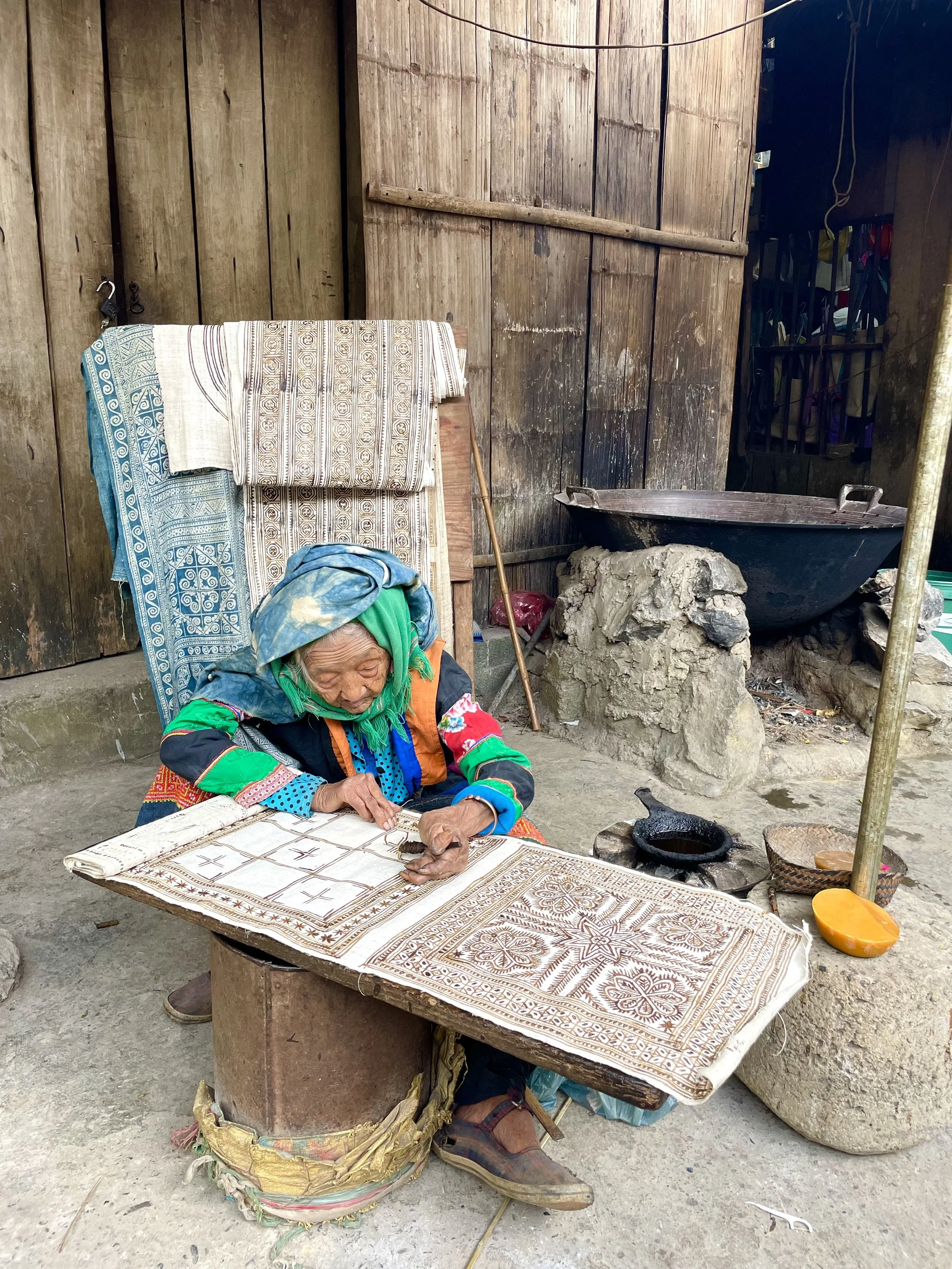
In the end, I decided to do it — and it turned out to be an incredible experience. The landscapes were breathtaking, and some of the cliffside roads definitely gave me an adrenaline rush. But what I loved most was the chance to observe the local culture up close.
The people living in those mountains are largely disconnected from Western lifestyles, in both good and challenging ways. They wear incredibly colorful traditional clothes and live very closely connected to nature. You see young children — sometimes as young as four or five — already helping with work, carrying large baskets of plants on their backs.
Our guide also told us about an annual “love market,” where people from different villages gather — traditionally a place where relationships and marriages were arranged.
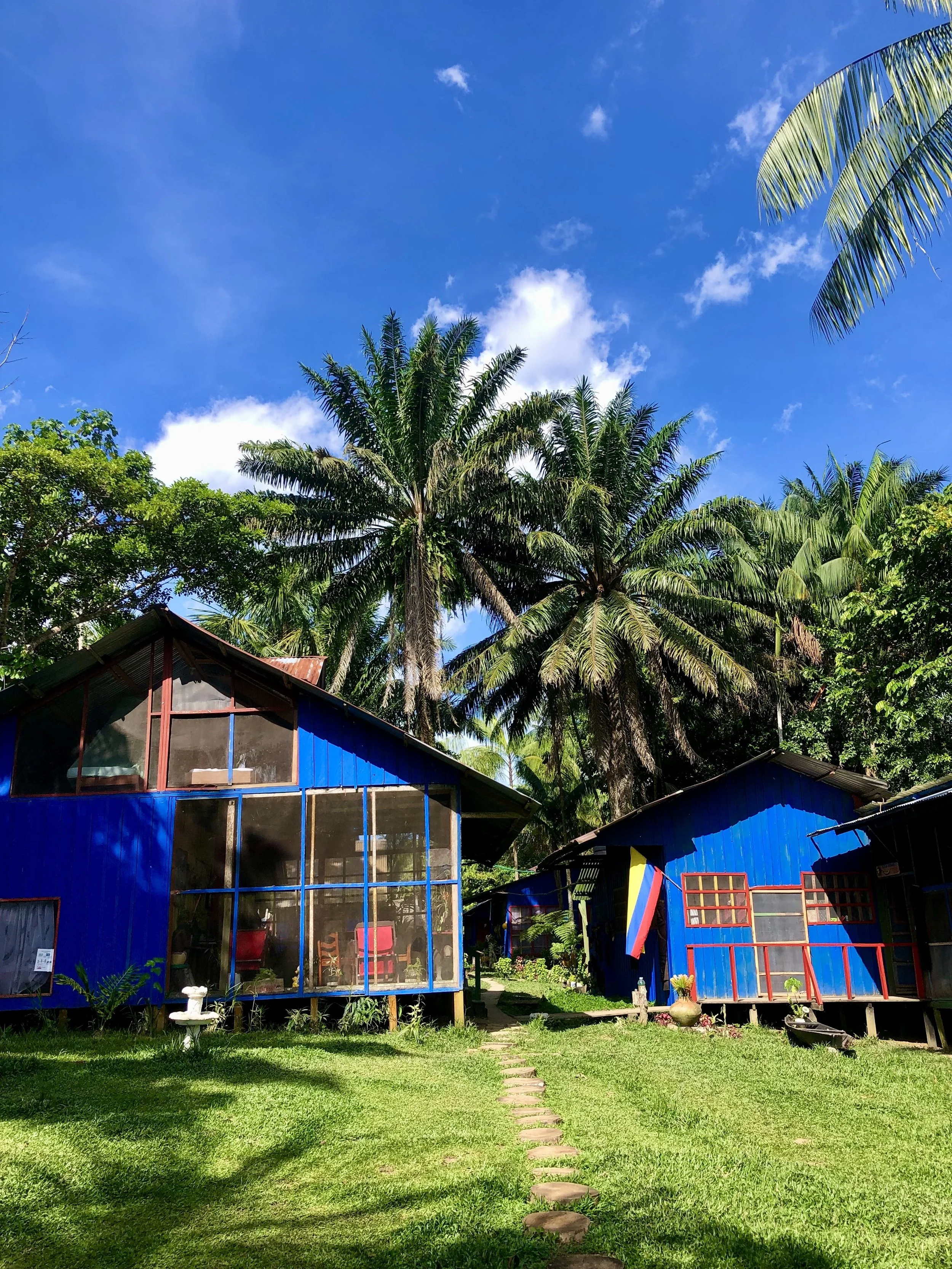
What was the first country you visited solo?
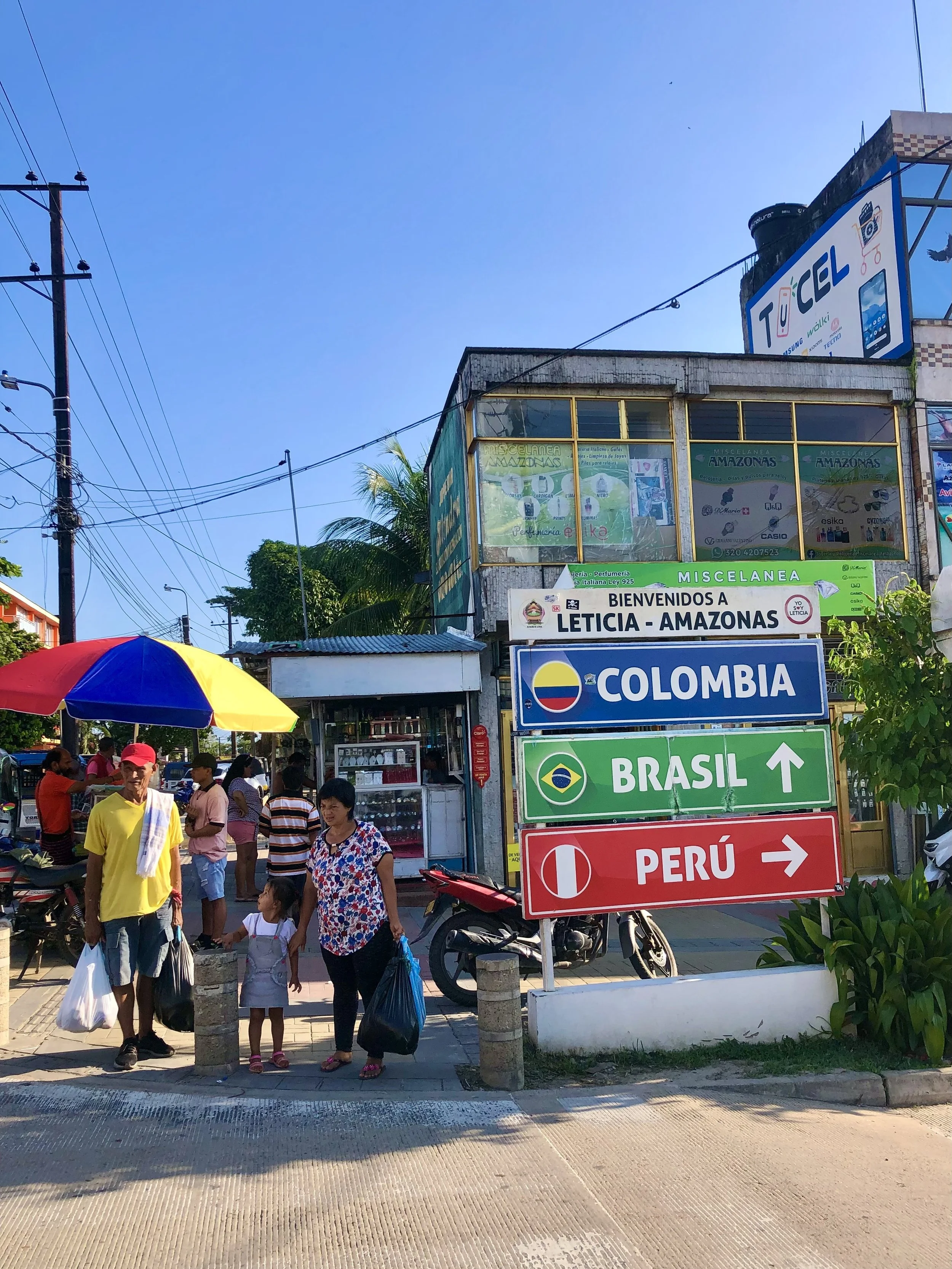
The first country I visited solo was Colombia. I had already been traveling around Latin America for seven months with a friend, from north to south, but she has relatives in Colombia and decided to stay there for a while. I chose to keep going on my own.
It’s not exactly a beginner-friendly country, but by that point I already felt comfortable navigating Latin culture and I could speak some Spanish, which helped a lot.
In the months before, I had met many solo travelers — especially women — and I couldn’t wait to try it myself. From that moment on, most of my trips have been solo.
Sometimes I travel with one or at most two friends, but only if they already have some experience traveling on their own. I’ve learned that it makes a big difference.
What was your most craziest experience in life?
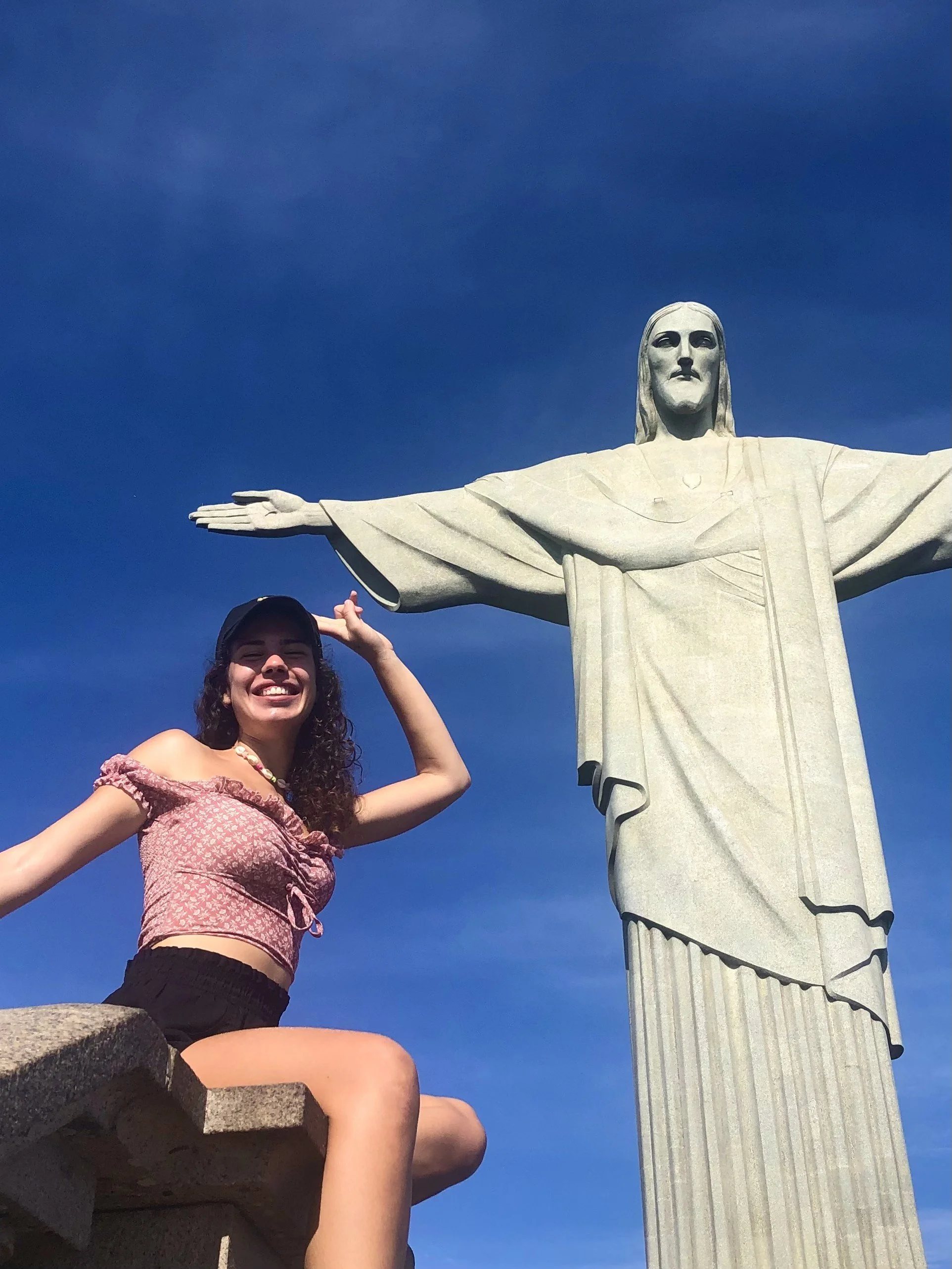
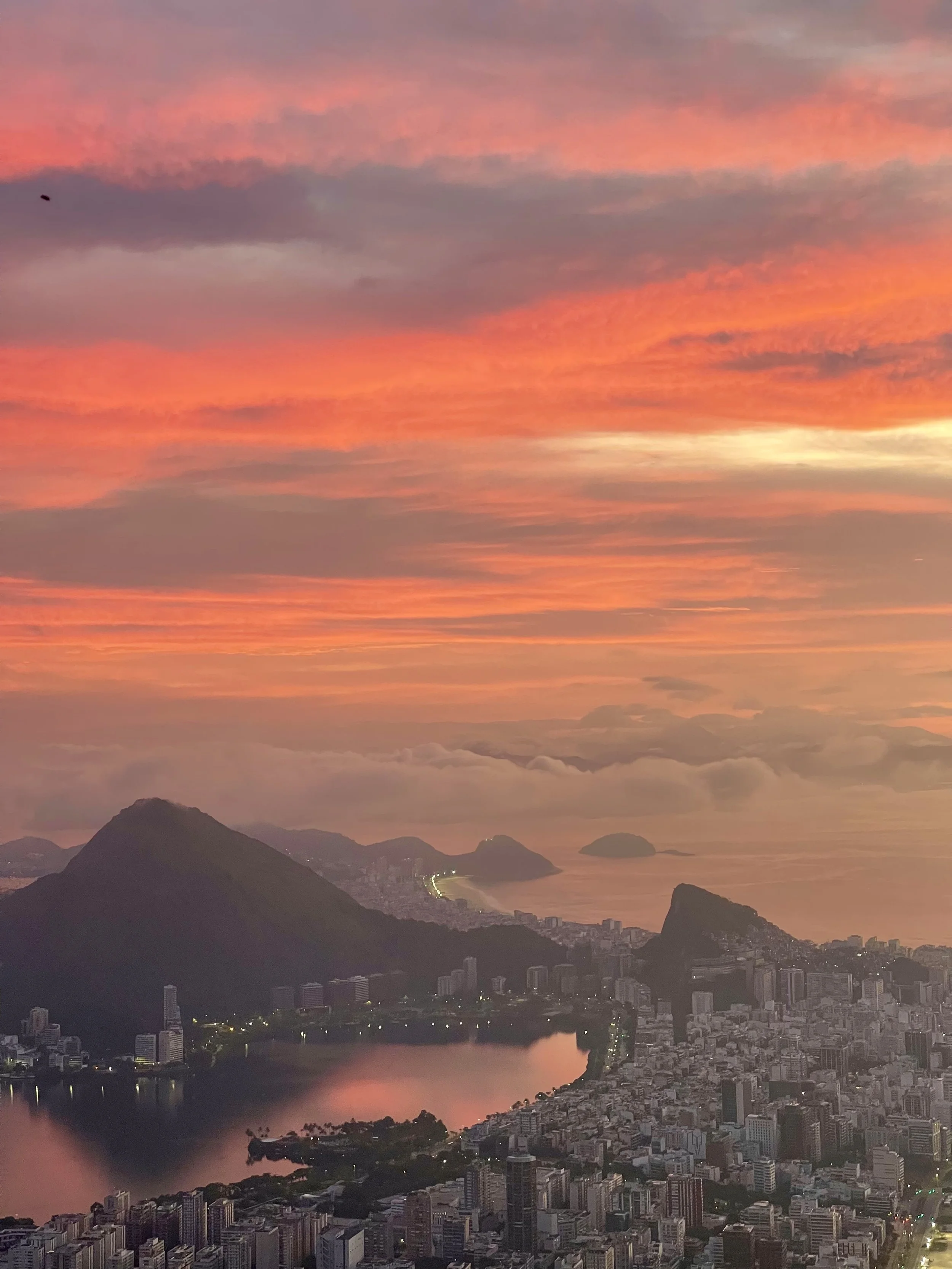
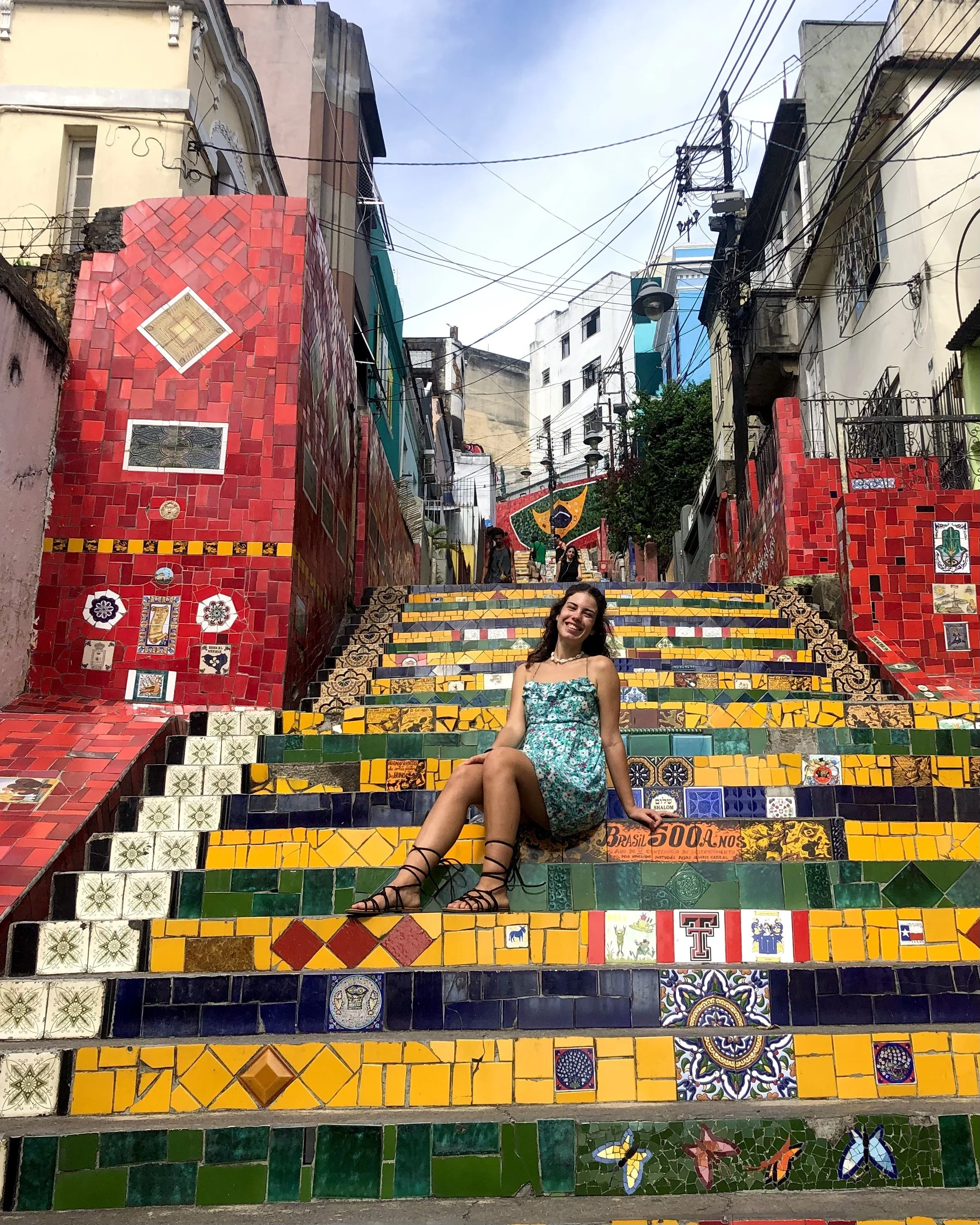
That’s a hard one to choose. I’ve fished for piranhas in the Amazon, danced at Carnival in Rio de Janeiro, slept on a volcano in Guatemala, and worked in a couple of the wildest party hostels in the world.
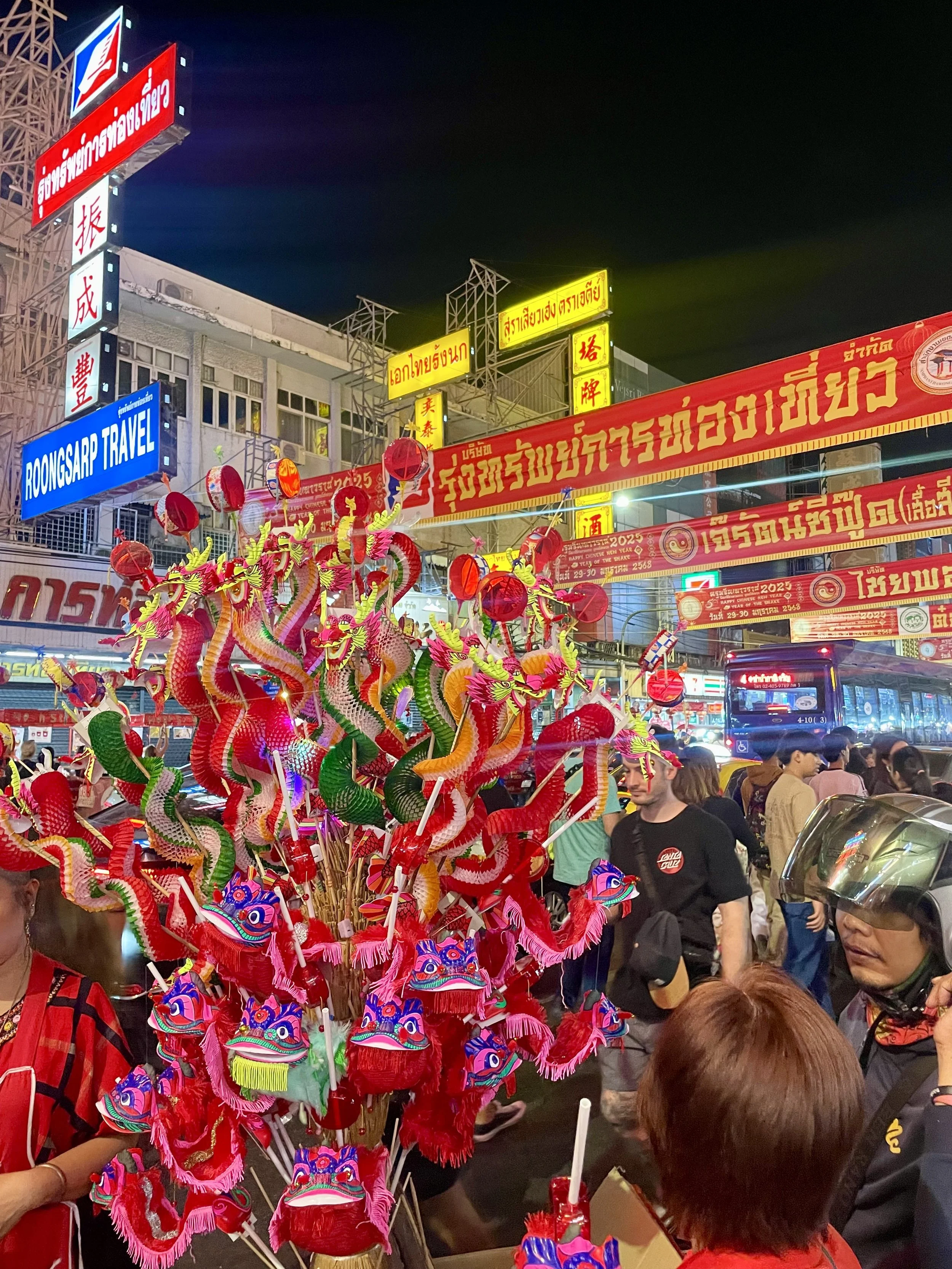
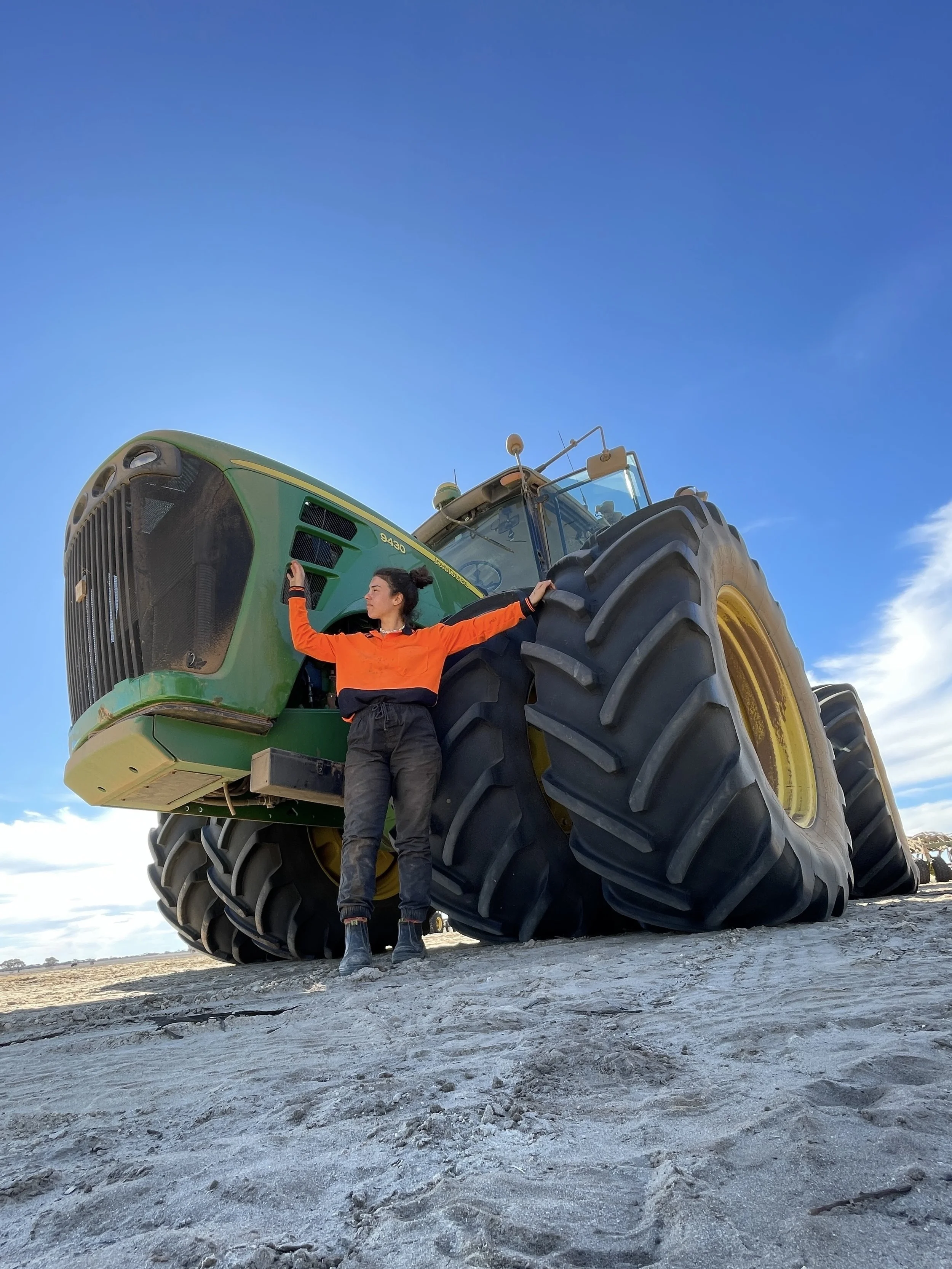
I’ve driven 50-ton tractors in Australia, hitchhiked in several countries — sometimes completely on my own — gone paragliding over Medellín, tried psychedelic mushrooms in Thailand, and even attended a traditional Senegalese wedding.
When I see it all written down like that, it sounds slightly unhinged — but at the time, each experience just felt like a natural next step.
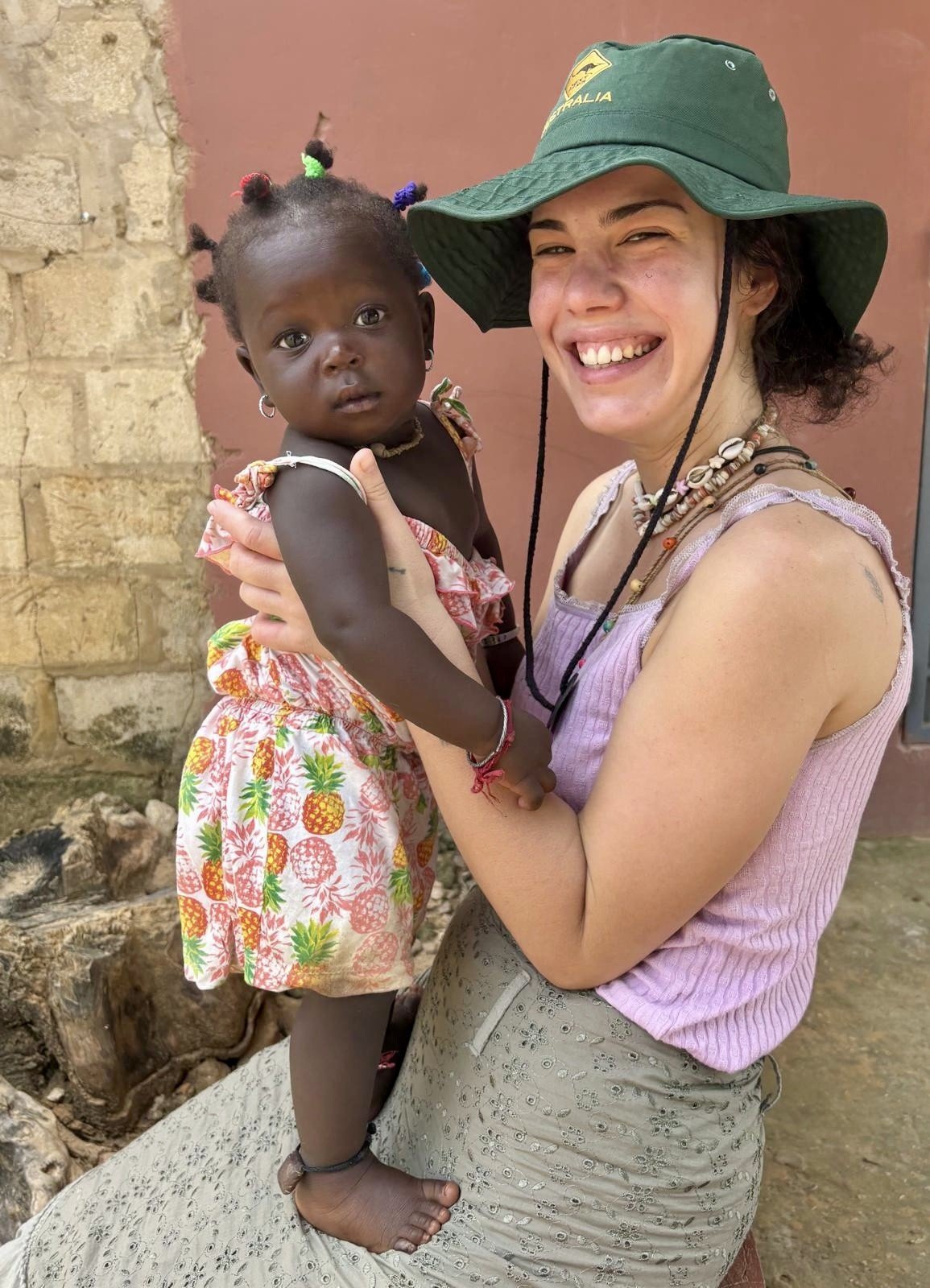
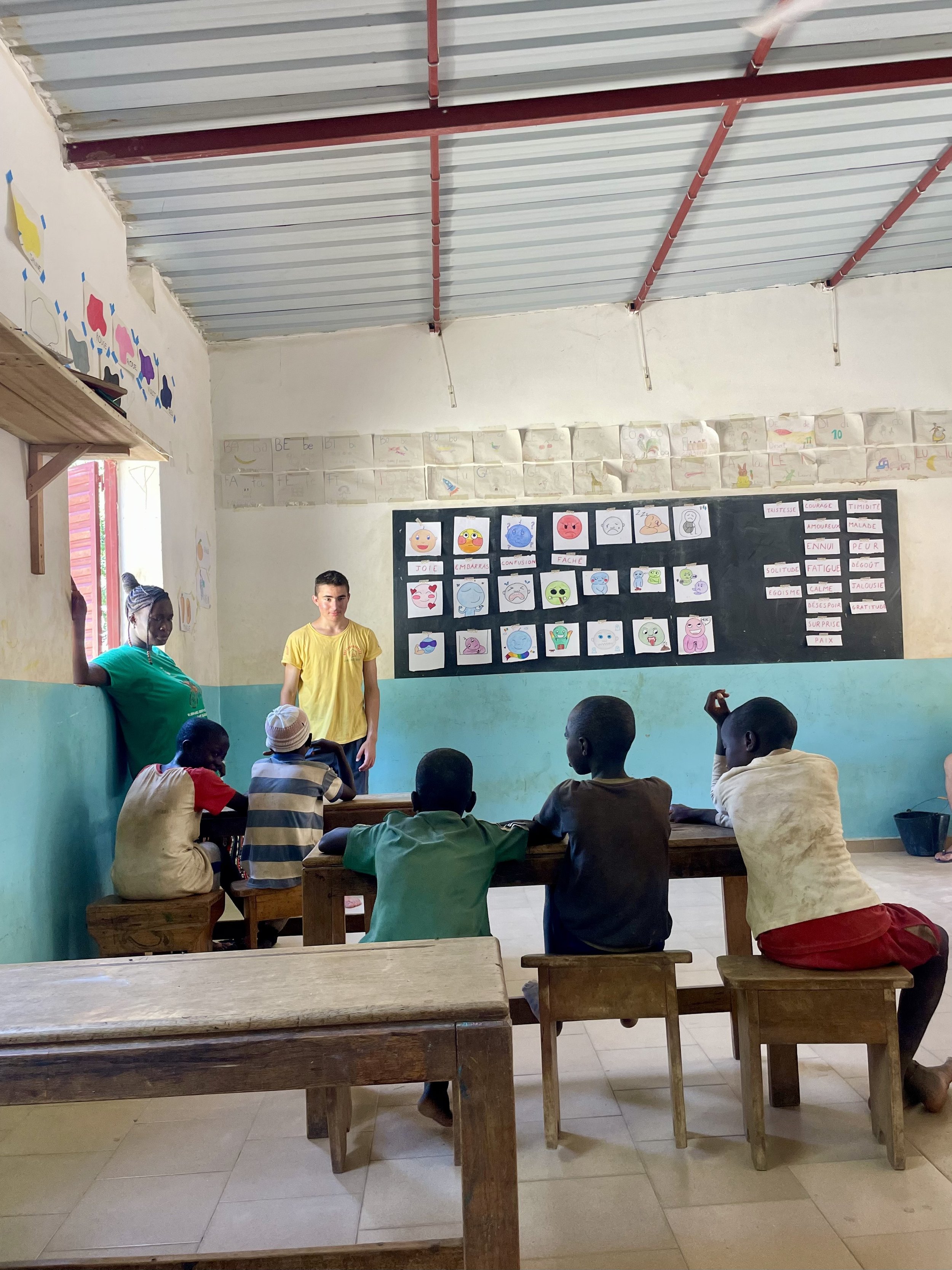
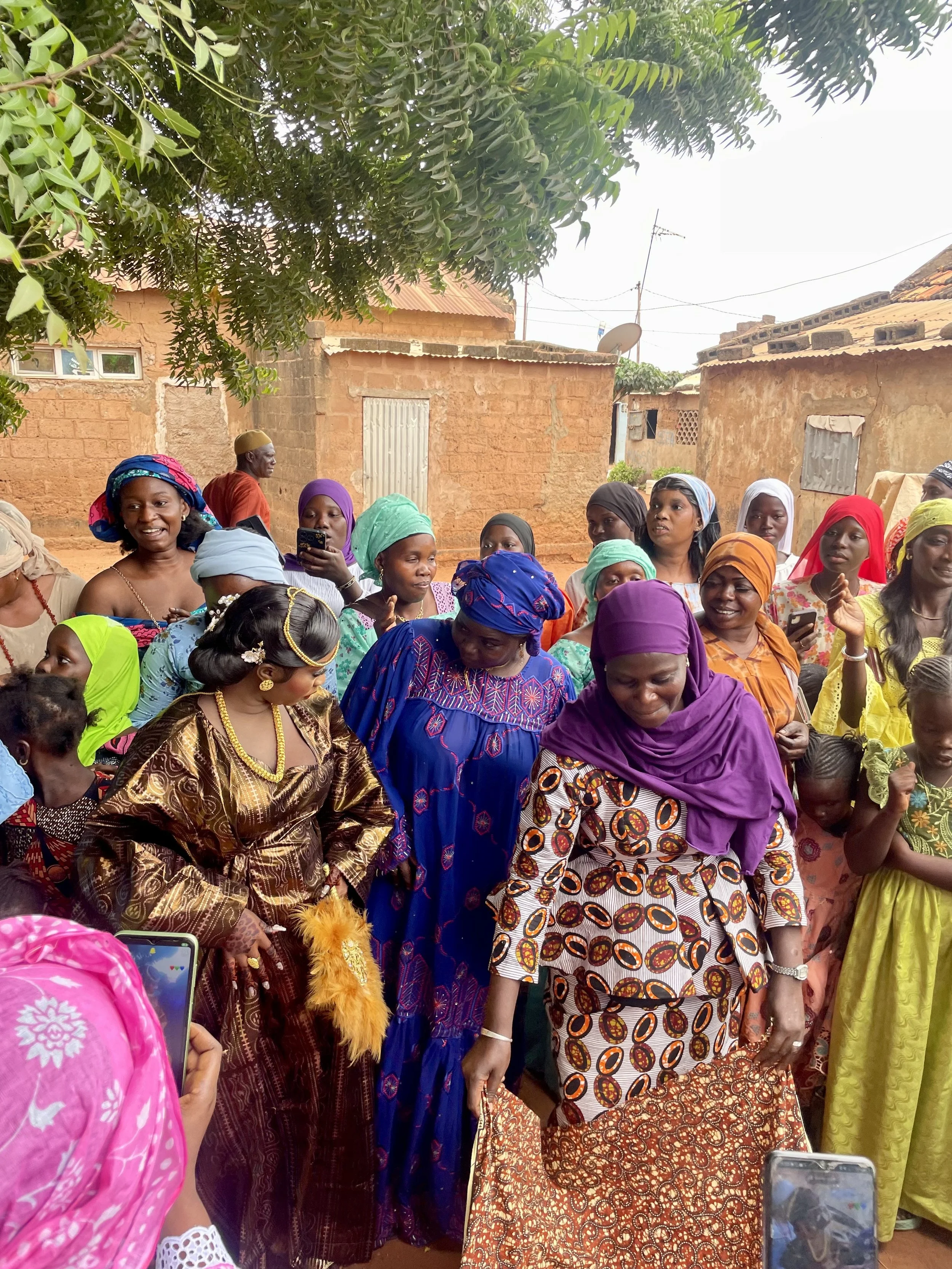
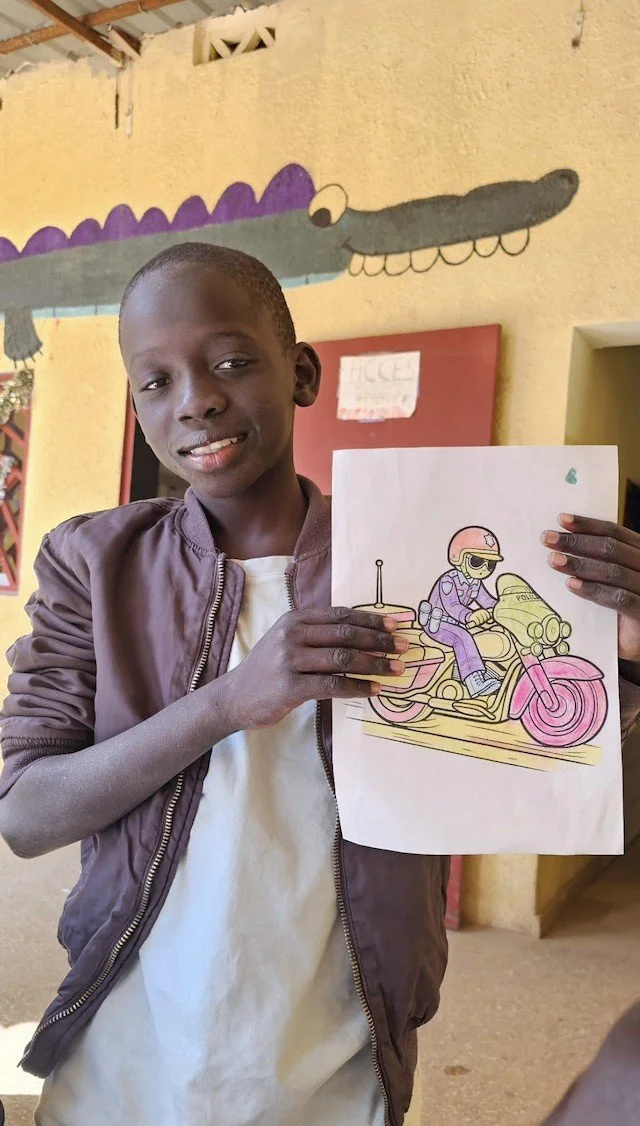
At the organization where I volunteered for two months, the children received one meal a day, access to showers, basic medical care, a chance to change clothes (though only once every two weeks), and space to play. Around 400–500 children came daily, aged between 5 and 15.
Most of them will never have the chance to attend school, which is paid, and therefore will never learn French or how to read and write. That’s why part of our work was also trying to give them a bit of schooling.
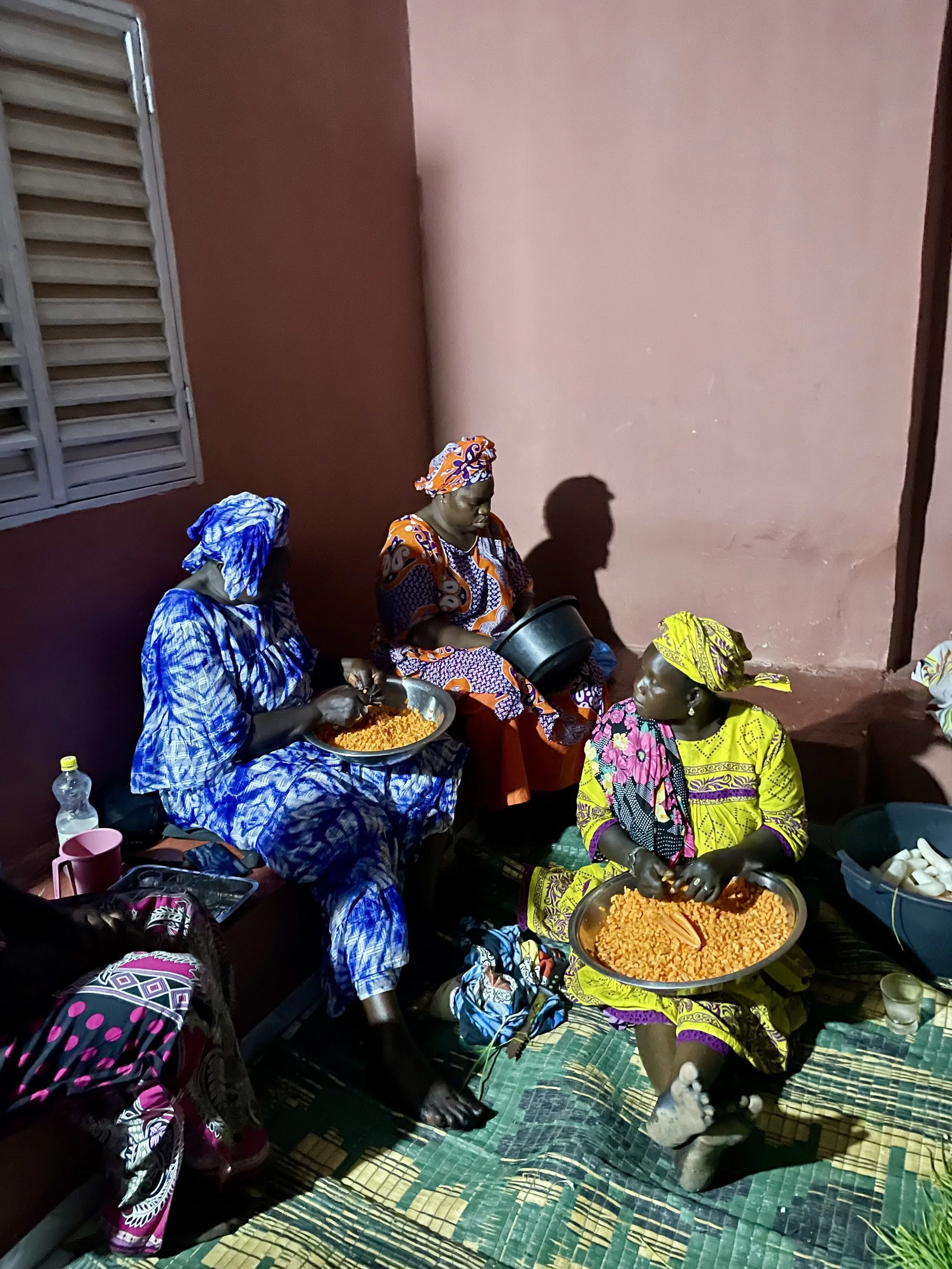
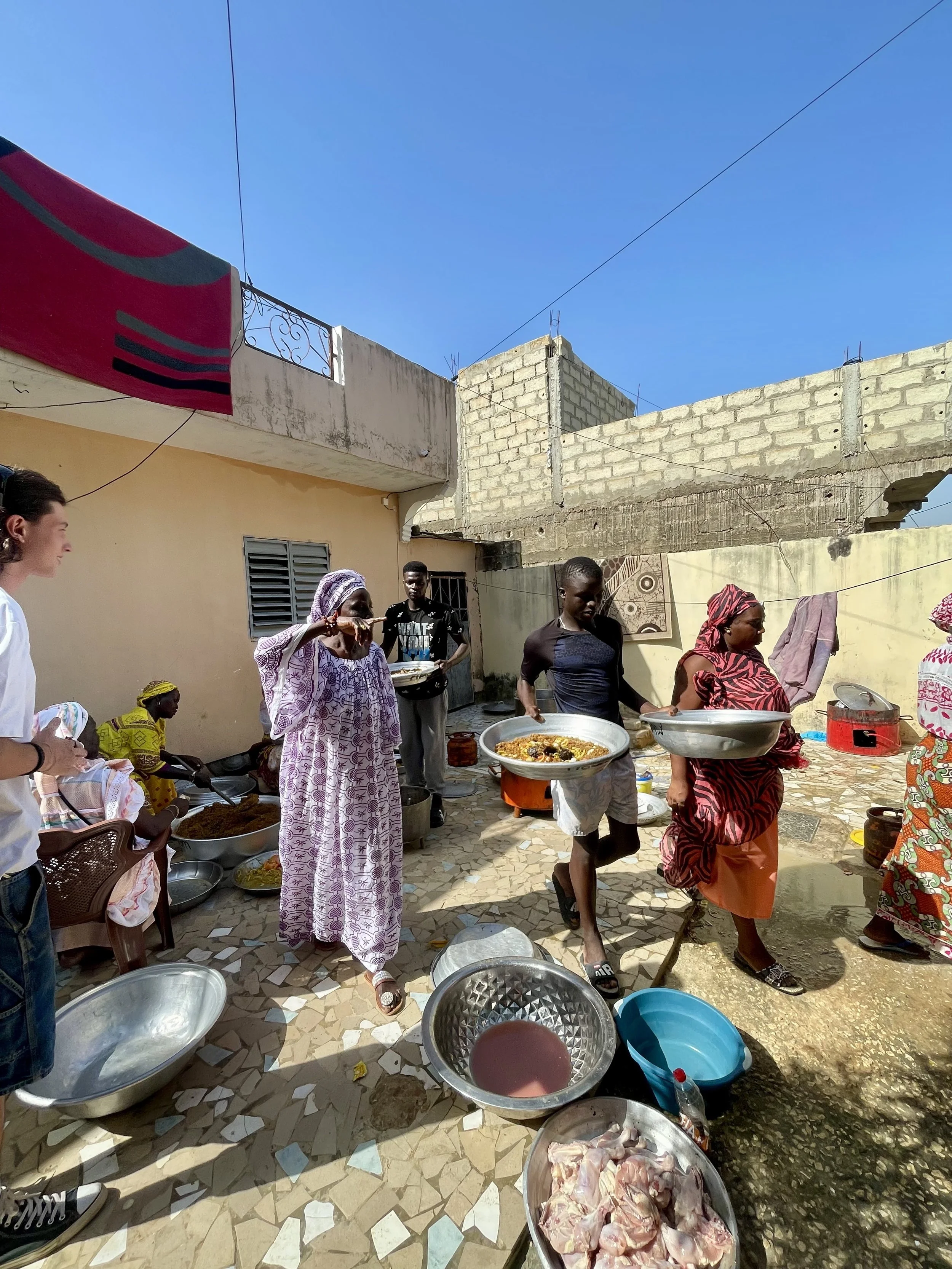
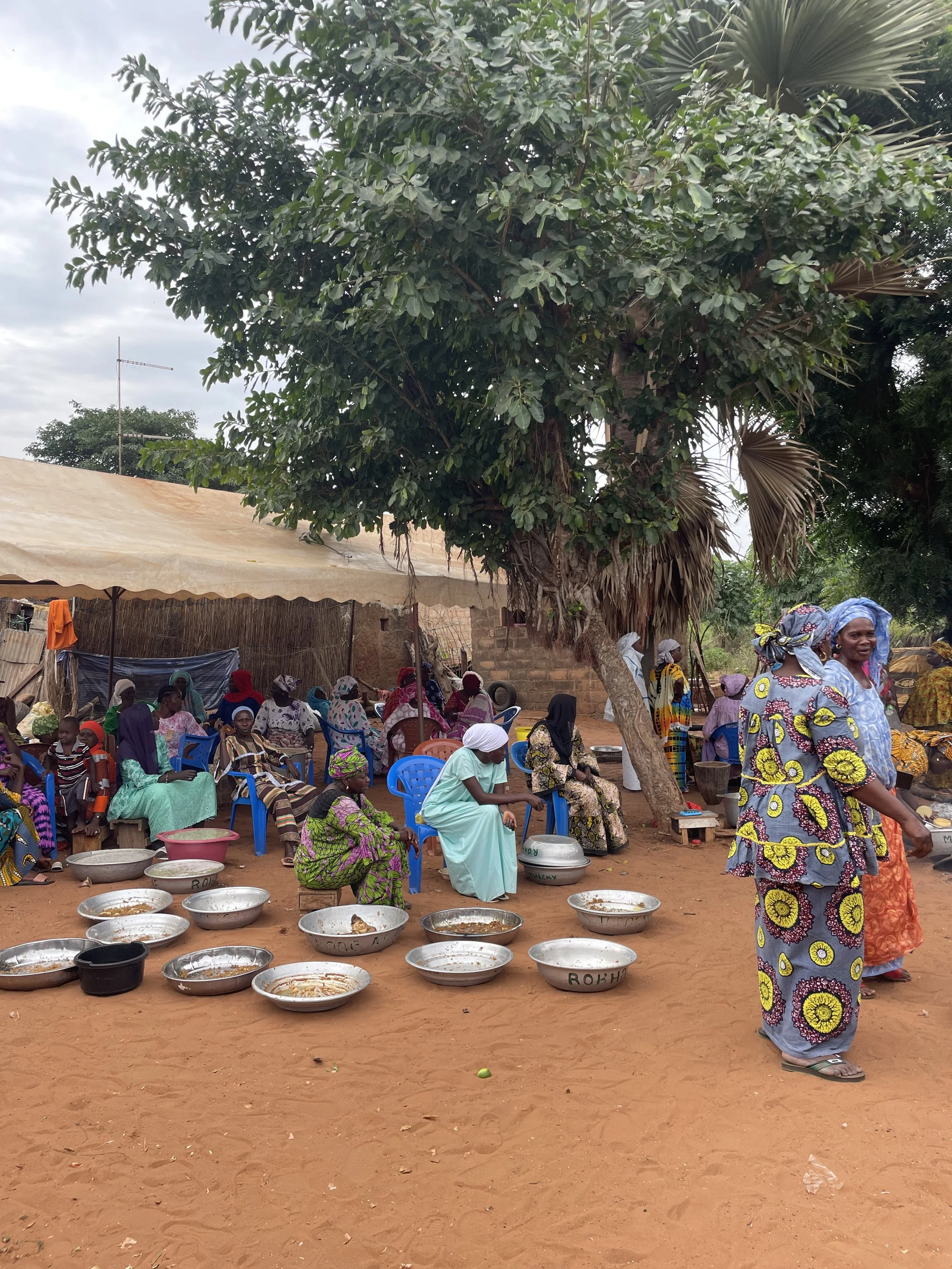
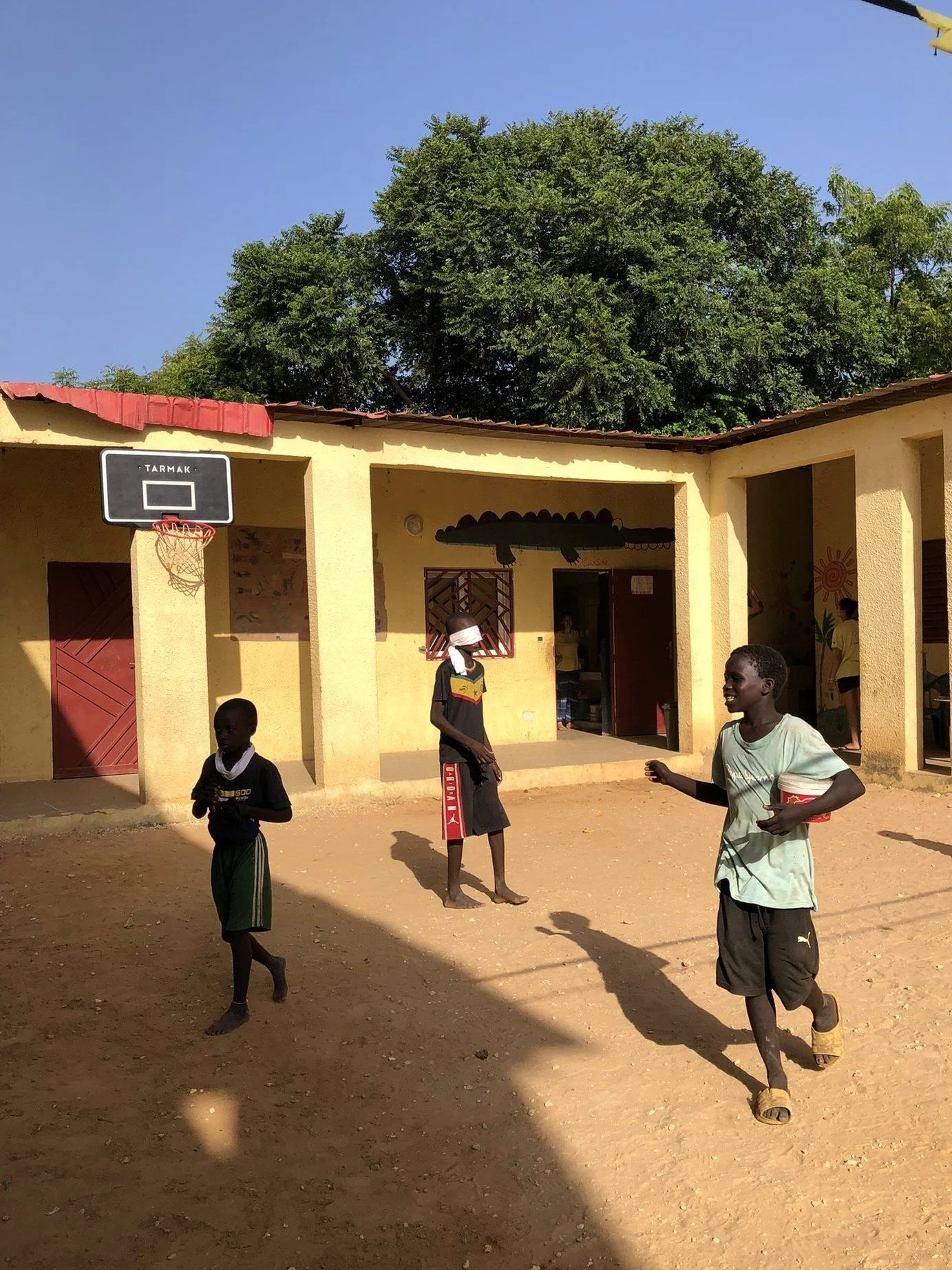
The culture is very unique and diverse. Most people are Muslim and hold strong beliefs in magic and superstition. Men can have up to five wives, and women often marry and have children very young — on average at 17. It’s not uncommon for a man to have 20–30 children. If they see a white woman, they may immediately ask her to marry them.
Meals are eaten communally, with everyone sharing large plates on mats on the floor, using their hands. People are very hospitable, though there’s often an expectation of something in return.
You visited Sri Lanka… What was your experience of the country?
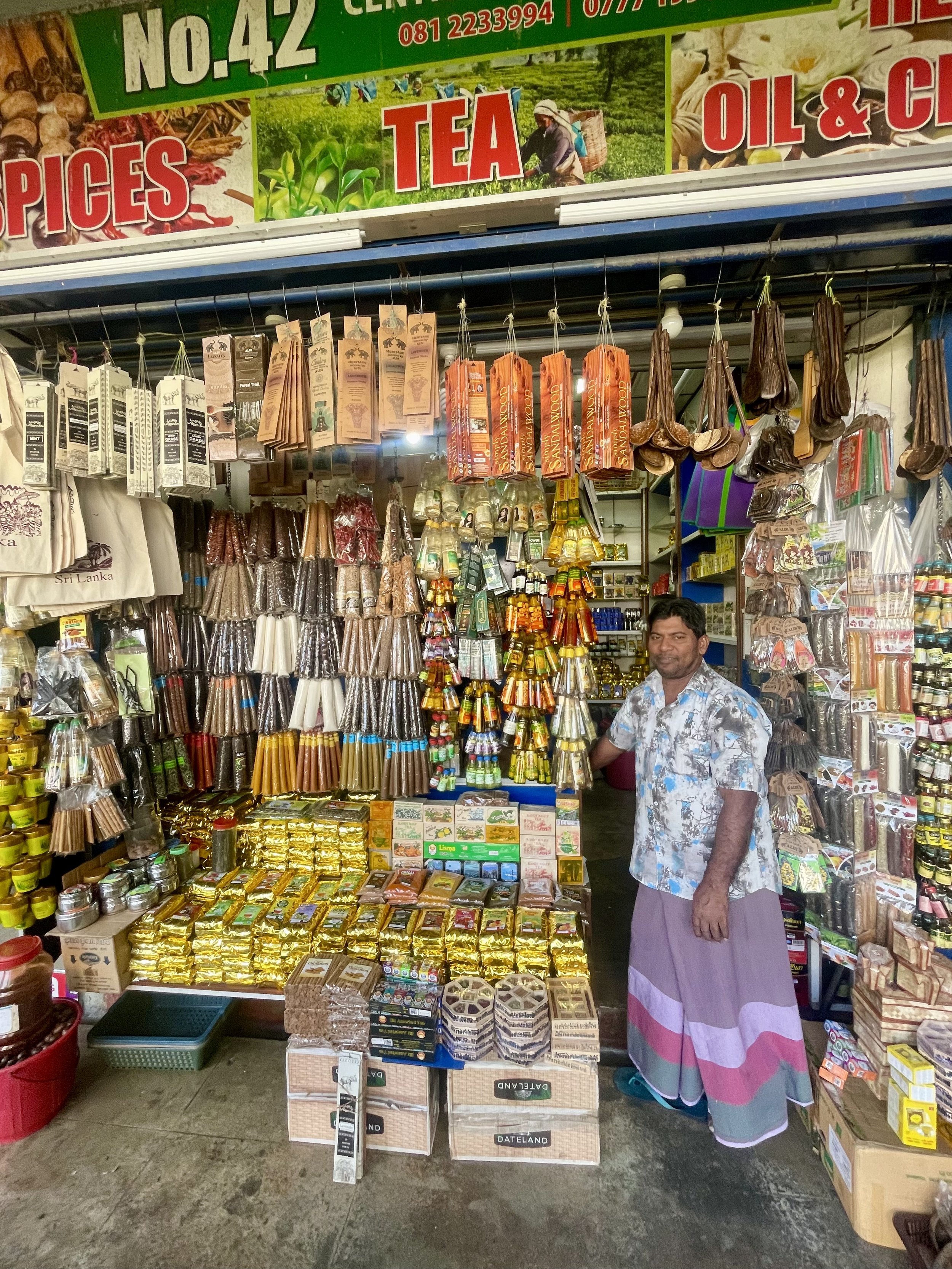
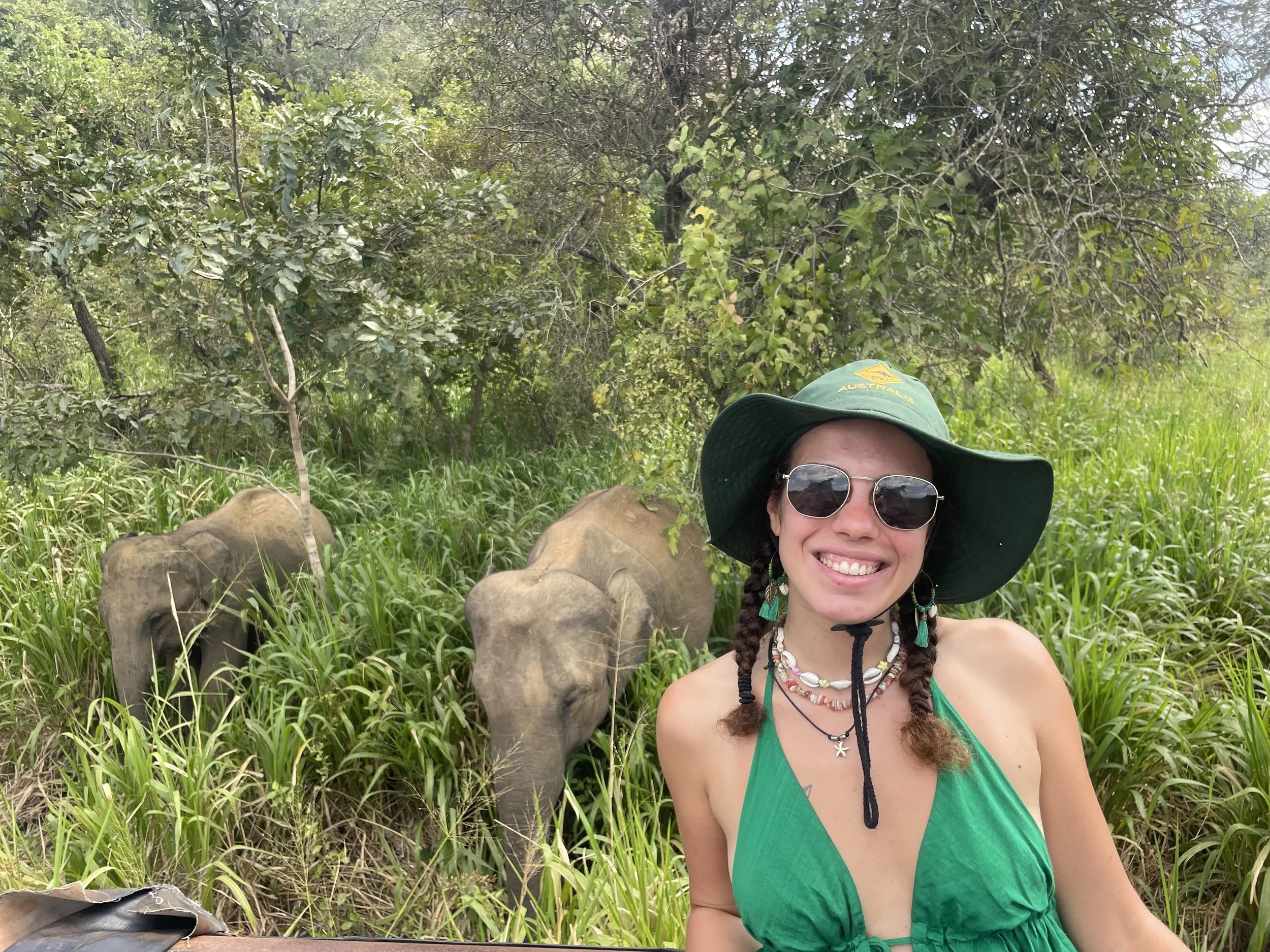
Sri Lanka is a beautiful country, although I do worry a bit for the locals, because it seems like they’re willing to do almost anything to attract tourists — which isn’t always good in the long run.
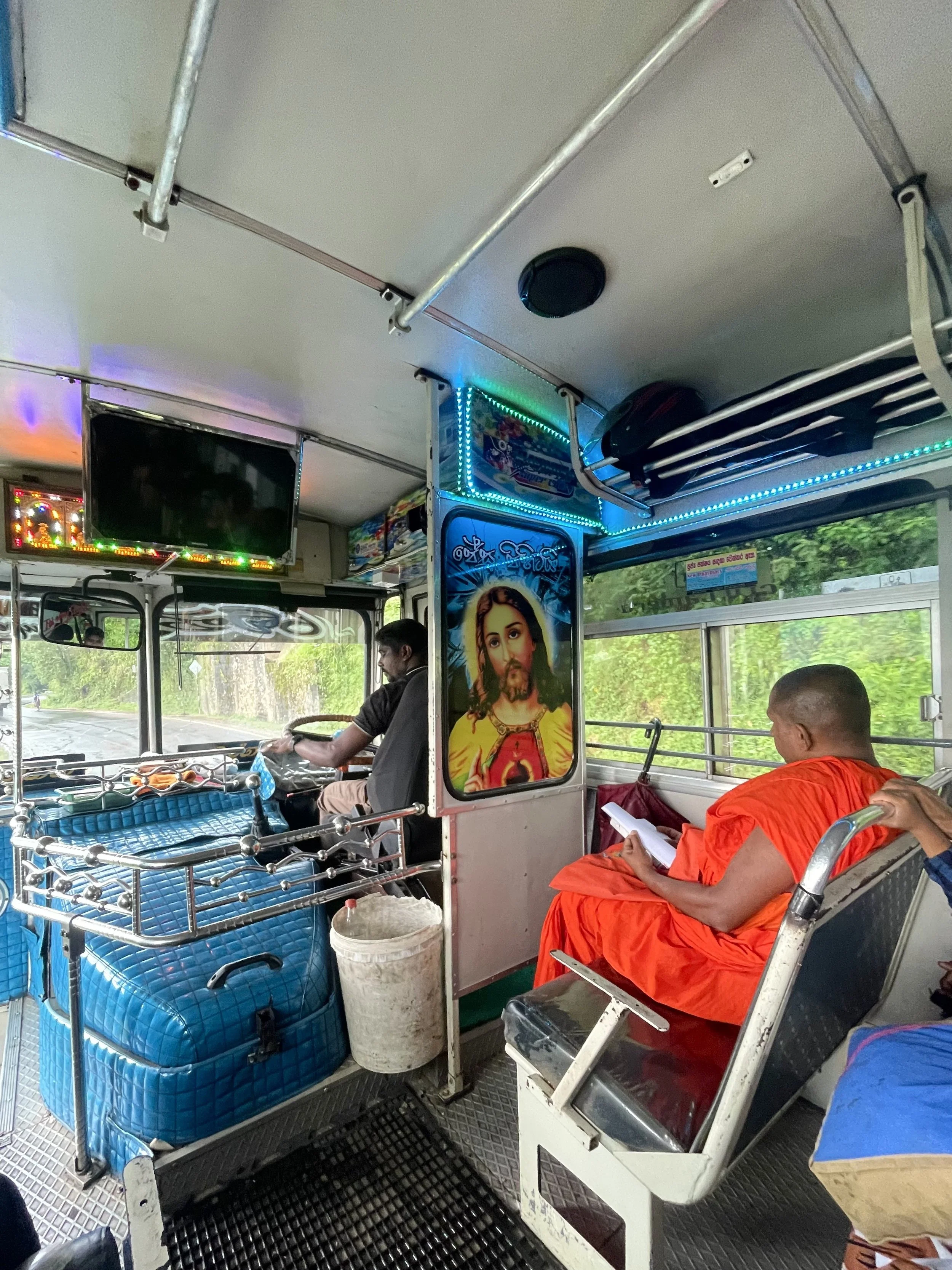
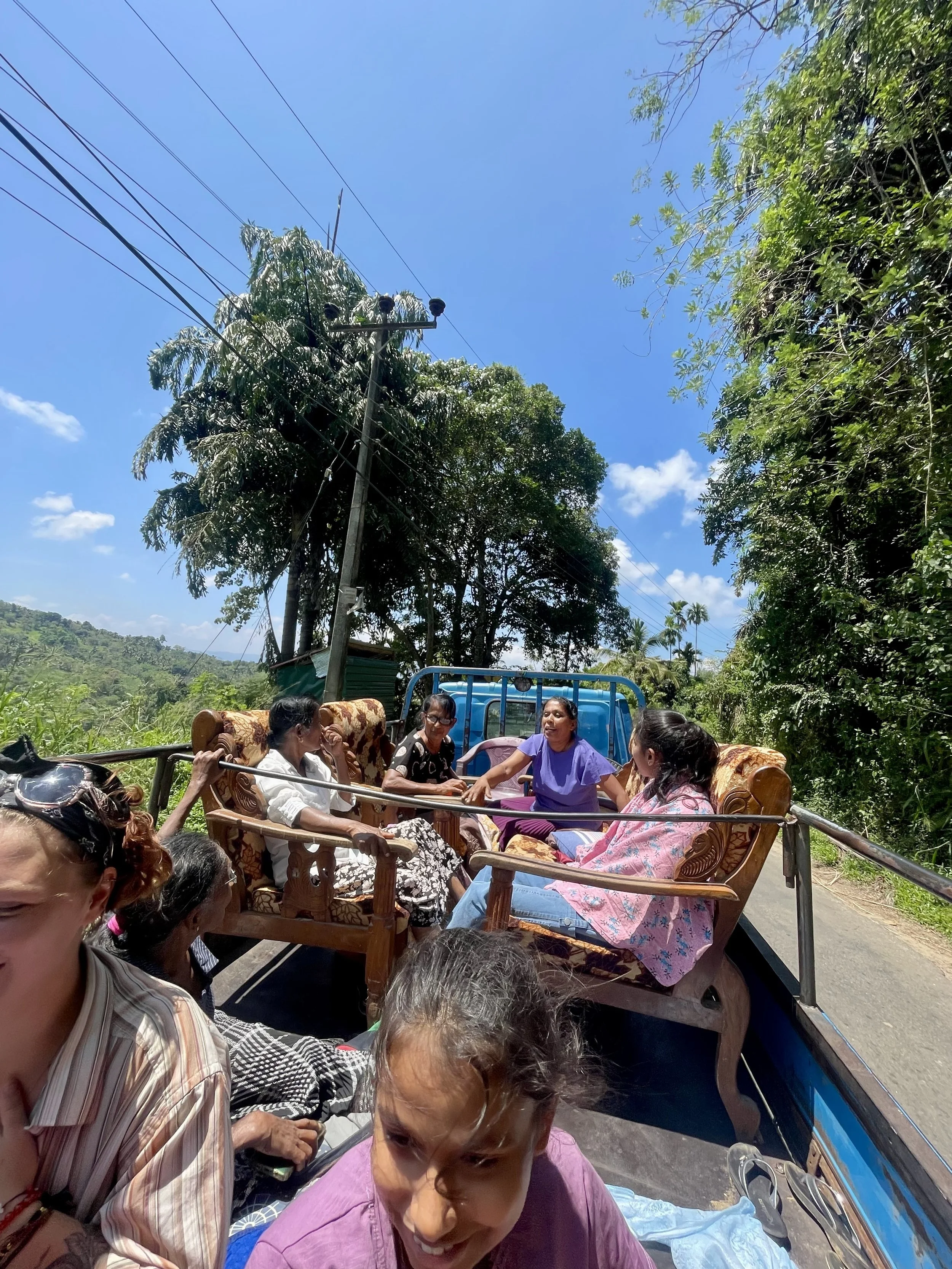
There are so many interesting places to visit, both cultural and coastal. The transportation system is very well organized: buses run constantly, are very cheap, and are all colorful and decorated. I also did a lot of hitchhiking, which was incredibly fun. On one occasion, a friend and I hitched a ride with a truck that had been converted into a mobile living room, filled with women and children — it was such a hilarious and unforgettable experience.
Nicaragua Vs Guatemala: Tell us about your travel experiences & what made you want to visit.
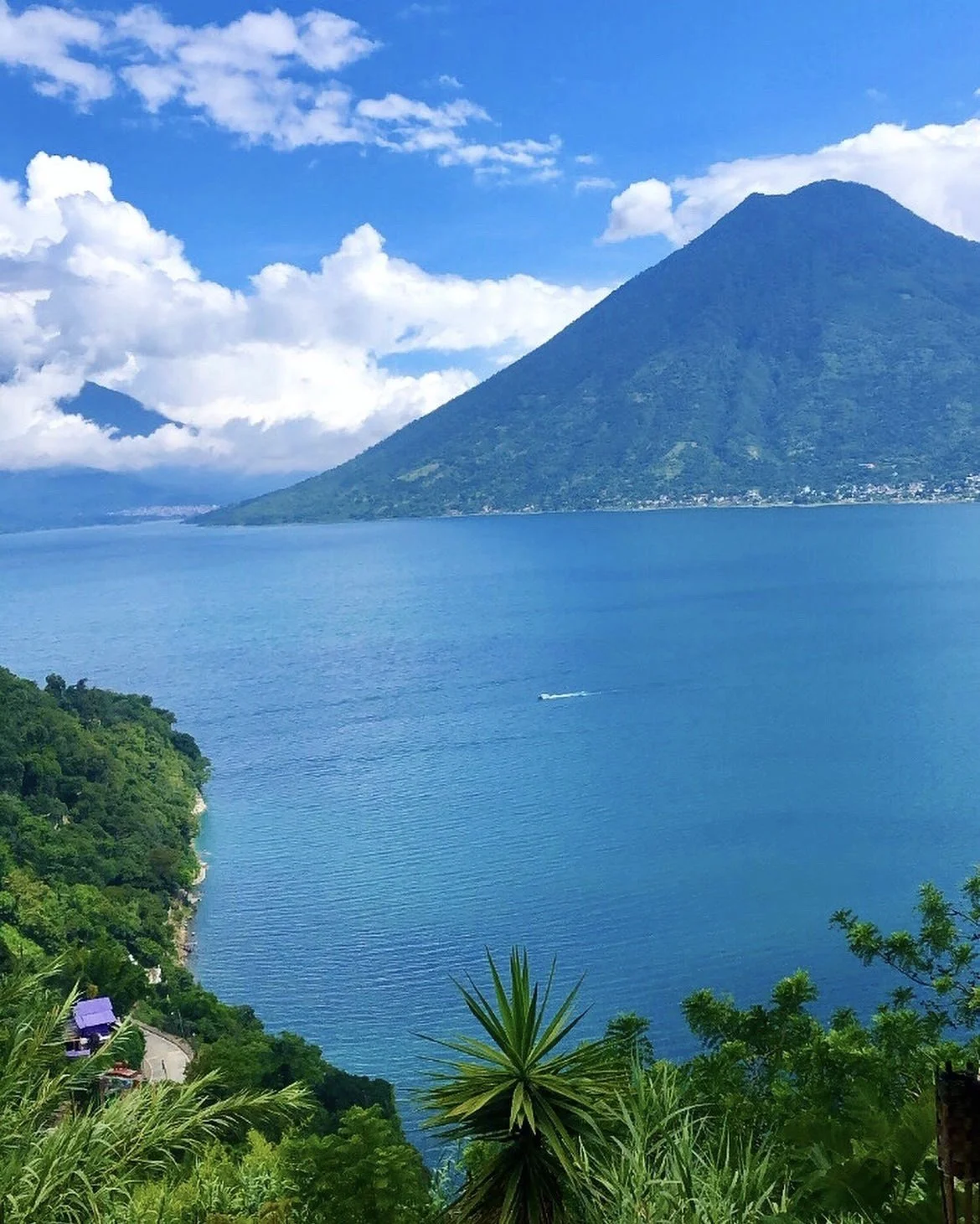
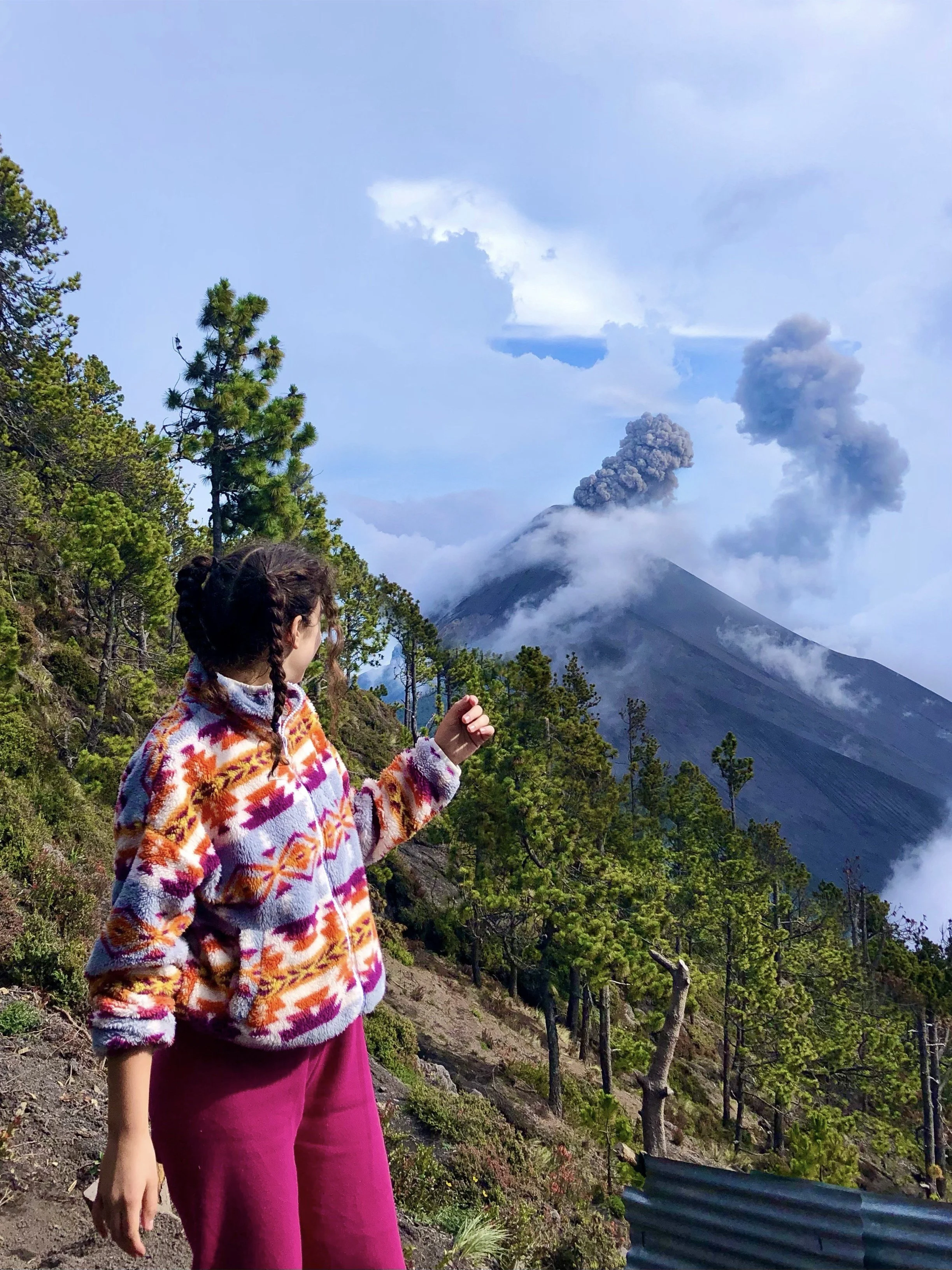
Guatemala is one of my absolute favorite countries. Its lush nature is simply spectacular. Lake Atitlán is magical, and hiking the Acatenango volcano was a once-in-a-lifetime experience. In some areas, you can even pick avocados right off the ground after they’ve fallen from the trees. People are calm and live in harmony with nature.
In Nicaragua, my focus was more on partying — from the Treehouse in Granada to the Sunday Funday in San Juan del Sur, where I also did some volunteering. In terms of nature, I would definitely recommend Isla Ometepe, a small volcanic island in the middle of a lake.
I also found Nicaragua’s political situation very interesting, albeit sad, as it’s essentially a dictatorship disguised as a republic. The current president, in power since 2007, had all his political opponents imprisoned before the elections to ensure his victory.
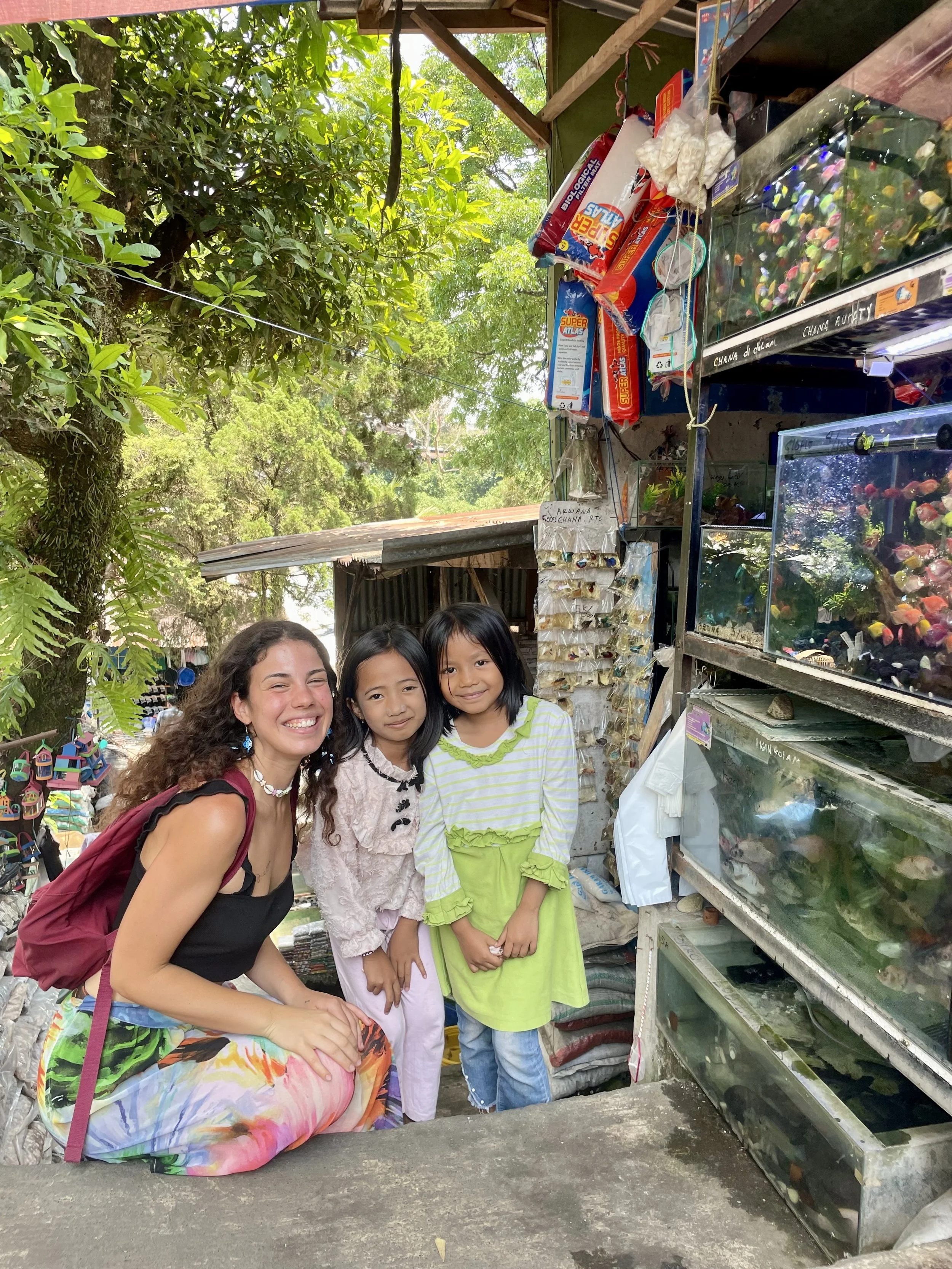
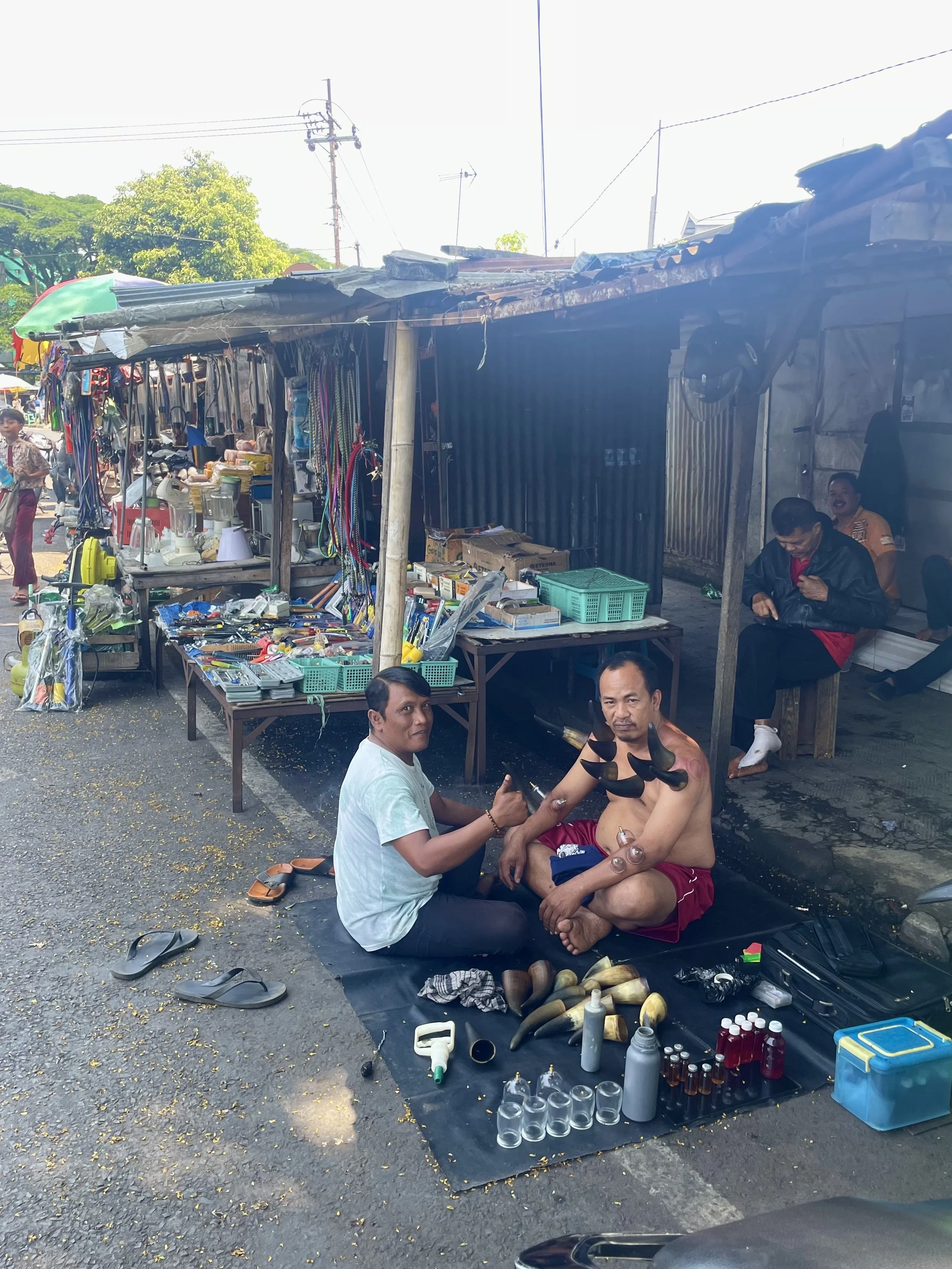
Group Vs solo travel: What is best for you?
I don’t even consider group travel — it’s just not for me. Planning is part of the fun, but I also want the freedom to completely change my plans along the way.
Where would you want to travel to next if you had a $1Million?
If I had $1 million, I wouldn’t necessarily spend it on traveling. I’d rather use it to create a peaceful life in a warm, paradise-like country — for example, Thailand. Maybe even open a hostel there.
What is your happiest family travel memory?
When I was a child, I traveled across half of Europe with my parents — that’s where I inherited my love for travel. My dad is a real adventurer. Later, they came to visit me in Brazil, and then in Australia.
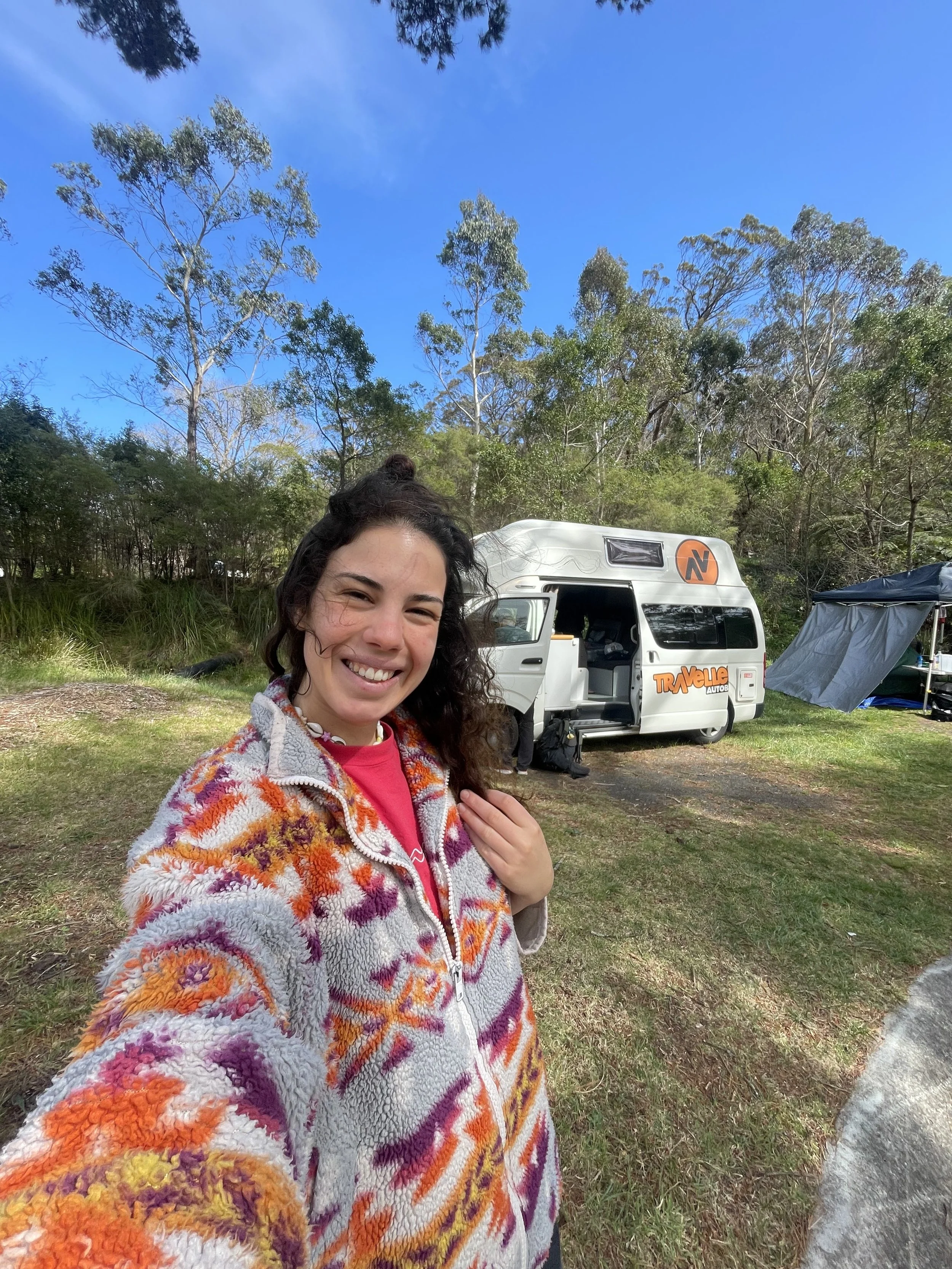
In Australia, we rented a van and did a month-long road trip from Sydney to Cairns. That was definitely the most amazing adventure I’ve ever had with them. Along the way, we saw so many incredible animals — from koalas and crocodiles to cassowaries.
What advice would you give to young women who want to travel but are not as confident as you?
It’s much easier than it seems, and you definitely don’t need to be away for months or years to start. If you speak English, you’re already halfway there.
You could try a solo weekend in a European capital, even though safety isn’t always perfect there. Southeast Asia, on the other hand, is the perfect place to start — it’s cheap, safe, and well-organized, though it does require a bit more time.
Book your flight and your hostel for the first few days. Hostels will be your home and your starting point — that’s where you’ll meet tons of people to share the experience with. They’ll be the ones to show you everything you need to know.
Wherever you go, ask the receptionist about safety, be careful at night, and get a local SIM card with internet as soon as possible. Try to appear as humble and friendly as you can. For the rest — just have fun!
Instagram: @Veronicafontanesi